

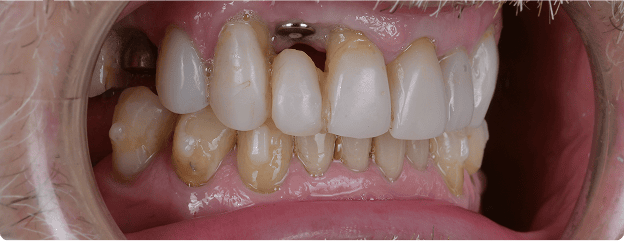
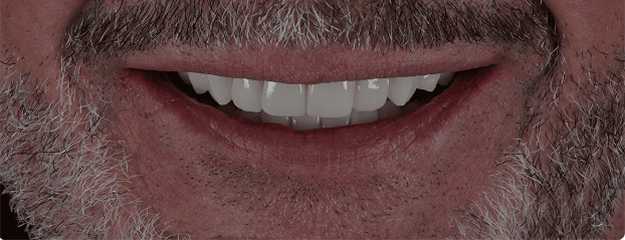


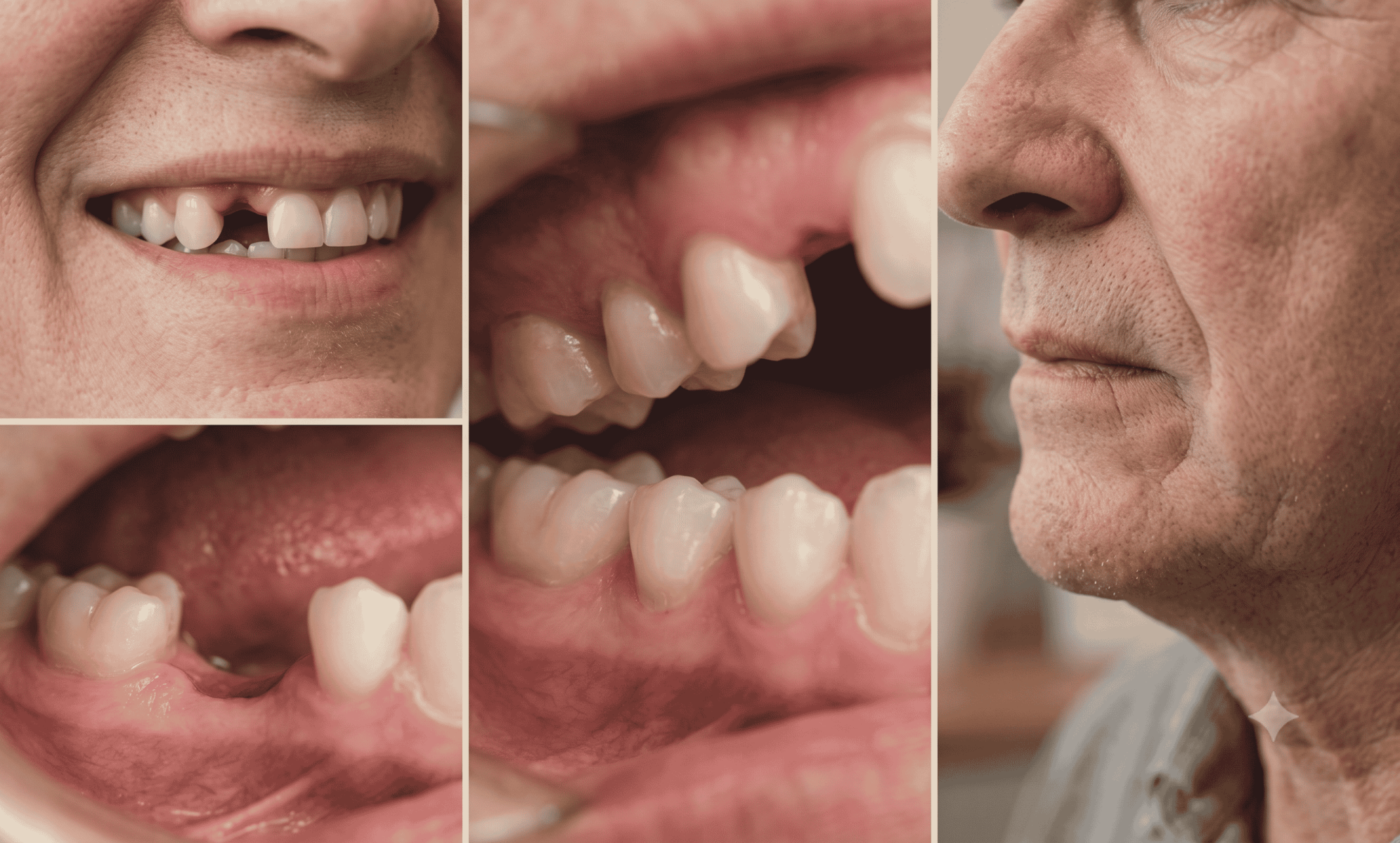
Missing a tooth can affect more than the appearance of your smile. Whether you have recently lost a tooth or have been living with a gap for years, the surrounding teeth, gums, jawbone, and bite can gradually be affected. Some changes are easy to notice, while others develop slowly without causing immediate discomfort.
Knowing when to seek professional advice can help you understand your options and protect your long-term oral health. If you are looking for a Dentist in Southampton, here are seven signs that it may be time to discuss your missing teeth.
1. Your Remaining Teeth Are Starting to Move
A gap left by a missing tooth can allow neighbouring teeth to gradually shift towards the empty space. This shift can over time alter the position of teeth and alter the bite.
New spaces, crowding, or teeth that seem to have moved may be noticed. A dentist can determine if the tooth that is missing is causing these changes and discuss options for replacing the tooth.
2. Eating Has Become More Difficult
Having missing teeth may make it difficult to bite and chew some foods, especially if the missing tooth was vital for chewing food. You might only chew food on one side of your mouth or not eat certain foods at all.
As your chewing patterns change, you may be putting extra strain on your remaining teeth. When eating is difficult or uncomfortable, it may be worthwhile to make an appointment to see if there is a way to improve everyday function by restoring the missing tooth.
3. You Feel Less Confident About Your Smile
The absence of a tooth, particularly in the front of the mouth, can impact your self-confidence with regards to smiling, talking, and socializing. A few individuals might not smile for pictures, or they may not laugh with their mouth open.
While confidence is a personal issue, it still is a valid concern to have, which is why it is important to consult with your dentist. Depending on your needs, modern restorative treatments can restore the look and function of missing teeth.
4. Your Bite Feels Different
Your teeth work together when you bite and chew. If you are missing a tooth or several teeth, how forces are distributed across the teeth that are still present may shift.
If you're not getting used to the gap in your mouth, or if your bite feels odd, uncomfortable or different from before, it could be a good indicator that your mouth isn't getting accustomed to the gap. A professional evaluation can help determine if the lost teeth are causing bite problems and if treatment is recommended.
5. Your Jawbone and Facial Support May Be Changing
Once teeth are gone, the jawbone within the tooth socket may start to lose stimulation as the natural tooth root is no longer there. These changes are not the same or as severe for everyone.
If there are multiple missing teeth, long-term alterations in the volume of the jawbone can also impact facial support. A dentist can examine your mouth and, if necessary, recommend a treatment that will lead to stable tooth replacement.
6. You Are Relying Heavily on Other Teeth
The adjacent and opposing teeth may have to work harder while chewing when a tooth is missing. This can cause extra pressure on some parts of your mouth over time.
It may become apparent that one side is easier to chew on or that certain teeth are becoming more sensitive or worn. A Dentist in Southampton can help them to identify if the gap is affecting the teeth that are left.
7. The Gap Has Been Left Untreated for Years
If there is no pain from the missing tooth, it is still a good idea to have the missing area assessed. The greater the gap, the greater the possibility that tooth positioning, bite or bone changes will need to be taken into account when future treatment planning is considered.
This does not mean that treatment is no longer available. Your dentist can evaluate your current oral health and discuss the options that might be appropriate. Depending on the patient, Dental Implants in Southampton could be a viable solution for replacing one or more missing teeth, and other restorative options might also be suitable.
What Should You Do Next?
The right approach to missing teeth depends on several factors, including the number and position of missing teeth, the health of your gums, the condition of your remaining teeth, and the amount of supporting bone available.
At Dental Concepts, a thorough assessment can help determine the most suitable treatment for your individual needs. Whether you are exploring bridges, dentures, or Dental Implants in Southampton, personalised planning is important for achieving a result that supports both function and appearance.
Missing teeth does not always cause immediate pain, but changes can develop over time. If you have noticed shifting teeth, difficulty eating, changes to your bite, or a loss of confidence, booking a dental consultation can help you understand your options and take the right next step.
FAQs
Can a single missing tooth cause problems?
Yes, even one missing tooth can affect nearby teeth, chewing, and bite balance over time.
What are the options for replacing missing teeth?
Depending on your needs, options may include dental implants, bridges, or dentures.
Is it ever too late to replace a missing tooth?
Not necessarily, a dentist can assess your oral health, bone, and gums to determine which treatment options may still be suitable.