



Missing teeth can affect everyday activities such as eating and speaking, as well as the appearance of your smile. Whether you have lost a tooth through injury, decay, or gum disease, replacing it may help restore comfort and function. Dental implants are one option available for people looking for a fixed replacement for missing teeth.
However, implant treatment involves several stages, and not everyone is automatically suitable. Understanding how dental implants work, what the treatment involves, and how to care for them can help you make an informed decision. This guide explains the key things to consider when exploring a Dental Implant in Salisbury.
What Is a Dental Implant?
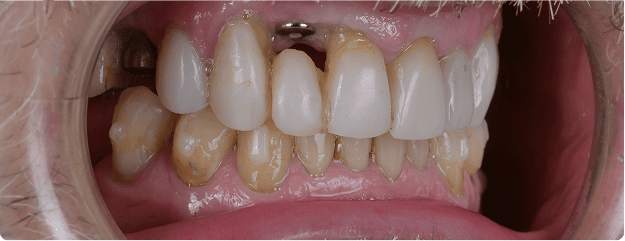
A dental implant is a small post, usually made of titanium, that is placed into the jawbone to replace the root of a missing tooth. Over time, the implant can integrate with the surrounding bone and provide a stable foundation for a replacement tooth.
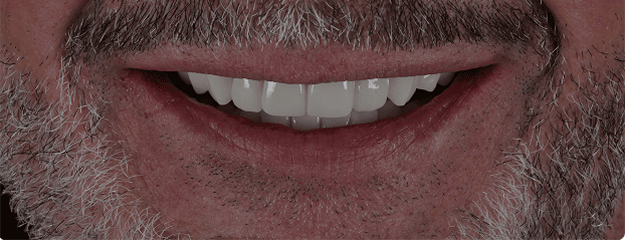
The visible part is typically a dental crown, which is designed to resemble a natural tooth. Implants can also support a bridge or denture when several or all teeth are missing.
Dental implants can be used in different situations:
- Single missing tooth: An implant can support an individual crown without relying on neighbouring teeth for support.
- Several missing teeth: Multiple implants may support a dental bridge.
- Many or all missing teeth: Implants can help retain or support a full denture, depending on the treatment plan.
The most suitable approach depends on your dental condition and the results you want to achieve.
What Are the Benefits of Replacing Missing Teeth?
Losing a tooth can affect how your remaining teeth work together. Depending on its position, it may make chewing certain foods more difficult or affect your speech.
A gap left by a missing tooth can also affect the appearance of your smile. Over time, neighbouring teeth may shift towards the gap, potentially affecting your bite and the alignment of your remaining teeth.
Dental implants offer an additional benefit because they transfer chewing forces to the jawbone through the implant. This can help reduce the bone changes that may occur in the area where a tooth has been lost. However, implants cannot prevent all bone loss or remove the need for ongoing oral hygiene and dental care.
Who May Be Suitable for Dental Implants?
Many adults may be suitable candidates for dental implants, but a clinical assessment is essential before treatment.
Your dentist will consider several factors, including:
- Gum health: Healthy gums are important for supporting the implant and reducing the risk of complications.
- Jawbone condition: There needs to be enough suitable bone to support the implant. Additional procedures may sometimes be considered if bone volume is insufficient.
- General health: Certain medical conditions and medications may affect healing or treatment suitability.
- Oral hygiene: Regular cleaning and dental check-ups are important for maintaining the health of implants and surrounding tissues.
- Lifestyle factors: Smoking, for example, can increase the risk of implant complications and may affect healing.
Your Dentist in Salisbury can assess these factors and discuss whether implant treatment may be suitable for you.
What Happens During Dental Implant Treatment?
Dental implant treatment is usually completed over several appointments rather than in a single visit. The process generally involves the following stages:
1. Consultation and Assessment
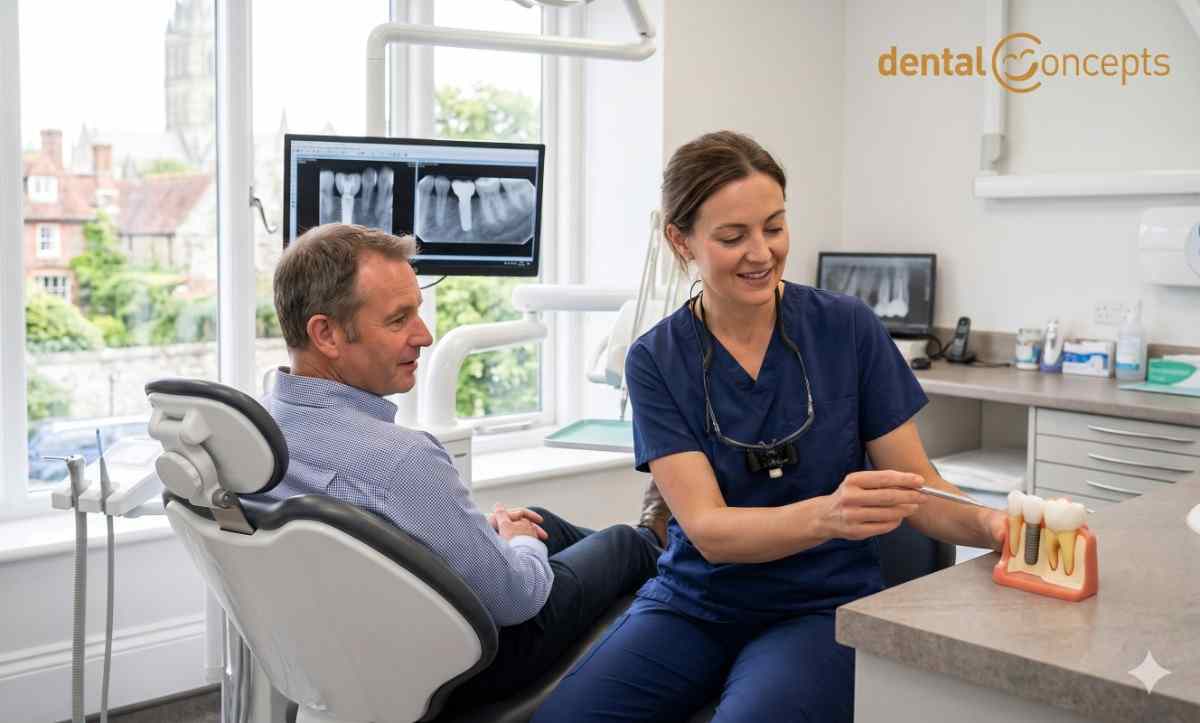
Your dentist will review your dental and medical history and discuss your expectations. X-rays or other imaging scans may be recommended to assess the jawbone and plan the implant placement.
2. Implant Placement
If you are suitable for treatment, the implant is placed into the jawbone during a surgical procedure. Local anaesthetic is used to numb the area. Depending on your circumstances and treatment needs, sedation may also be discussed.
3. Healing and Integration
After placement, the implant needs time to integrate with the surrounding bone. This process, known as osseointegration, helps create a stable foundation for the replacement tooth. The healing period varies depending on the individual and the complexity of treatment.
4. Fitting the Replacement Tooth
Once the implant is sufficiently integrated with the bone, the final crown, bridge, or denture can be fitted. Your dentist will check the fit and bite of the restoration to ensure it is comfortable and functions properly.
How Should You Care for Dental Implants?
Dental implants need to be cared for just like natural teeth. Brush twice a day using a fluoride-containing toothpaste and clean carefully around the implant and restoration. Your dentist or hygienist can recommend suitable interdental brushes or other cleaning aids.
Regular dental check-ups are also important. They allow your dental team to monitor the implant, surrounding gums, and restoration. Although implants cannot develop tooth decay, plaque build-up can cause inflammation or infection in the surrounding tissues if it is not properly controlled.
Are Dental Implants the Right Choice for You?
Dental implants can provide a fixed way to replace missing teeth, but they are not the only option. Bridges and dentures may be more appropriate depending on your oral health, preferences, treatment requirements, and budget.
If you are considering a Dental Implant in Salisbury, arrange a consultation to discuss the available options and their suitability. Your dentist should explain the treatment stages, expected timeline, costs, possible risks, and long-term maintenance.
Taking time to understand these factors can help you choose a tooth replacement option that supports your oral health and everyday comfort.
FAQs
Can dental implants be used to replace a tooth lost many years ago?
Yes, it may be possible. Your dentist will assess the condition of your jawbone and surrounding gums before recommending treatment.
Will I need time off work after dental implant surgery?
Recovery varies depending on the procedure and individual circumstances. Your dentist can advise how much rest you may need following treatment.
Can dental implants develop infections?
Yes, the tissues around an implant can become infected or inflamed, particularly when plaque builds up. Good oral hygiene and regular dental check-ups help reduce this risk.