

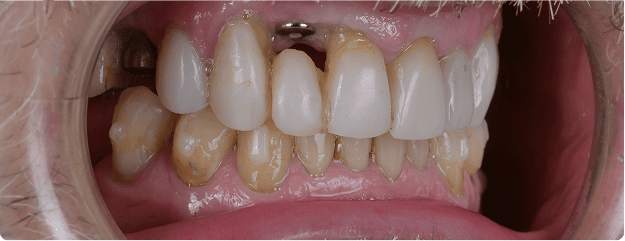
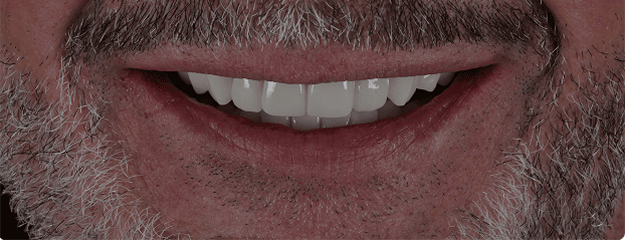


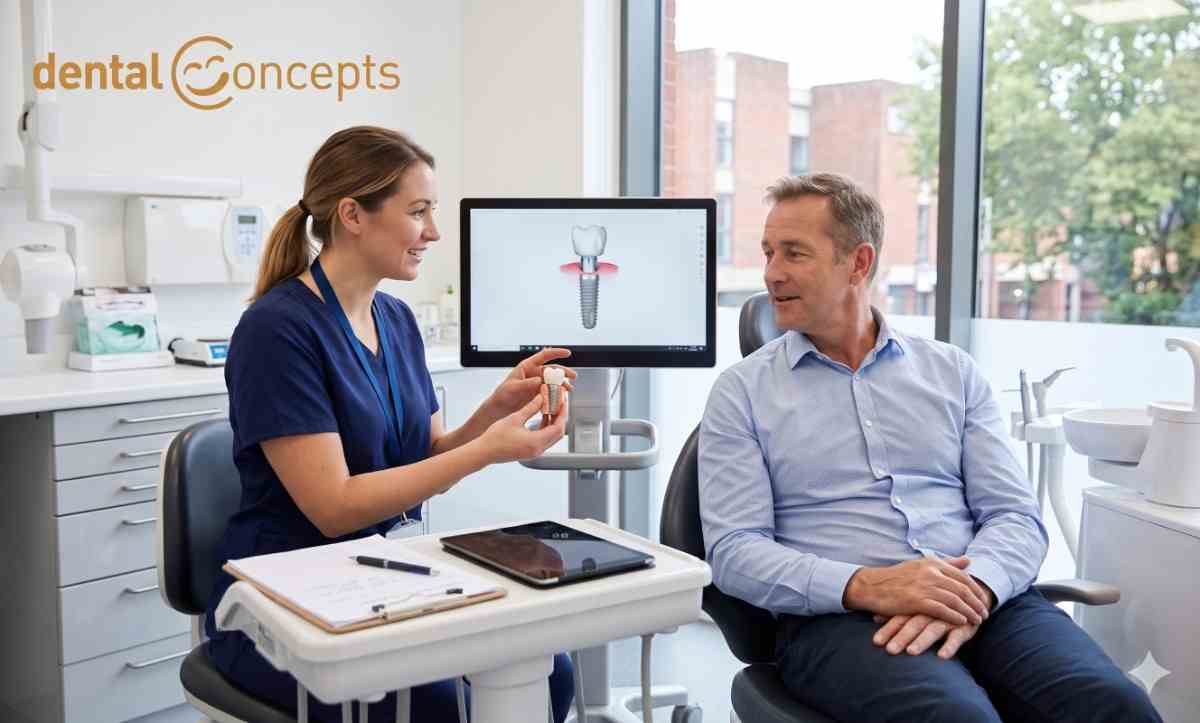
Missing teeth can affect more than the appearance of your smile. They may also make chewing difficult and influence how you feel about your teeth. Dental implants offer one option for replacing missing teeth with restorations designed to look and function like natural teeth.
If you are considering Dental Implants in Southampton, understanding the treatment process, potential costs and benefits can help you make an informed decision. A consultation with a Dentist in Southampton can establish whether implants are suitable for your oral health needs.
What Are Dental Implants?
Dental implants are small posts, typically made from titanium, that are placed into the jawbone to support replacement teeth. After the implant integrates with the surrounding bone, a connector known as an abutment can be used to secure a dental crown, bridge or denture.
Unlike conventional bridges, an implant-supported replacement does not typically require neighbouring teeth to be prepared for support. The best choice, however, will depend on how many teeth are missing, your oral health and the condition of your jawbone.
What Affects the Cost of Dental Implants in Southampton?
The cost of implant treatment varies since each patient's needs are unique. Some of the main factors include:
Number of implants: Replacing a single missing tooth generally involves a different treatment plan from replacing multiple teeth or supporting a full-arch restoration.
Preparatory procedures: In some patients, dental implant placement may require treatment for gum disease, tooth decay or insufficient jawbone. If clinically appropriate, bone grafting may also be considered.
Type of restoration: The cost may differ depending on the type of restoration supported by the implant, such as an individual crown, a bridge or a denture.
Planning and investigations: Consultations, dental X-rays and 3D scans may form part of the assessment and treatment process.
Before proceeding, request a written treatment estimate that details what is covered. Check whether the quoted price includes consultations, scans, implant placement, the abutment, the final restoration and follow-up appointments. It is also important to enquire about any additional fees and payment options.
What Does the Dental Implant Process Involve?
Implant treatment usually takes place over several stages.
1. Initial consultation and assessment
Your dentist will examine your teeth, gums and bite, review your medical history and evaluate your jawbone. X-rays or 3D imaging might be recommended to plan the treatment and determine whether implants are appropriate.
2. Implant placement
If you are suitable for treatment, the implant is placed into the jawbone during a carefully planned surgical procedure. The area is then allowed to heal.
3. Healing and integration
It takes time for the implant to integrate with the surrounding bone. This process is referred to as osseointegration. The healing time can differ from person to person and depends on bone quality and overall oral health.
4. Fitting the replacement tooth
When the implant is ready, an abutment and the planned restoration, such as a crown, can be fitted. Your dentist will check how well it fits, how it looks and how it functions.
What Are the Benefits of Dental Implants?
If they are appropriate for the patient, dental implants can provide several advantages:
A natural-looking replacement: Crowns and other restorations can be designed to complement the appearance of natural teeth.
Improved chewing function: A well-fitted restoration can help improve chewing function.
Support for jawbone health: Biting forces are transferred to the jawbone through the implant and may help minimise the bone changes associated with tooth loss.
No reliance on neighbouring teeth: An individual implant-supported crown does not usually require neighbouring teeth to act as anchors.
A fixed replacement: Unlike removable dentures, an implant-supported restoration is designed to remain in place.
However, implants do require maintenance and are not suitable for everyone. Your dentist will discuss the possible risks, limitations and alternatives.
Is Dental Implant Treatment Right for You?
Choosing Dental Implants in Southampton starts with understanding your oral health and treatment goals. Healthy gums, adequate bone support and good oral hygiene are important considerations. Smoking and certain medical conditions may also affect treatment planning and healing.
A consultation with a Dentist in Southampton can help you explore your options, understand the expected costs and discuss whether implants are appropriate. With a personalised treatment plan and regular maintenance, you can make a more confident decision about replacing missing teeth.
FAQs
Can dental implants be placed after a tooth extraction?
Yes, in some cases an implant can be placed immediately after extraction. However, timing depends on the condition of the jawbone, gums and surrounding tissues.
How should I clean around a dental implant?
Brush twice daily with a soft-bristled toothbrush and clean between your teeth using suitable interdental aids, as recommended by your dentist.
Can dental implants become loose over time?
Although implants are designed to provide stable support, complications can occur. Contact your dentist if you notice movement, discomfort or changes around the implant.