



.png)
Losing one tooth is very different from losing several teeth or an entire arch. While every case involves tooth replacement, the right treatment depends on factors such as the number of missing teeth, your oral health, and the condition of your jawbone. Modern dental implants provide a reliable and long-lasting solution for restoring both function and confidence, whether you're replacing a single tooth or rebuilding your entire smile.
If you're looking for an experienced dentist in Andover, understanding the different types of dental implant treatments available can help you make an informed decision about your oral health.
What Are Dental Implants?
Dental implants are artificial tooth roots made from biocompatible titanium that are surgically inserted into the jawbone to replace missing teeth. A custom-made crown, bridge, or full arch restoration will then be fitted into the implant, which has integrated with the surrounding bone through a natural healing process called osseointegration, creating a secure base for the restoration.
While removable dentures can look and feel artificial, dental implants look and feel very much like a natural tooth and can help keep the bone level in the mouth and face healthy. They can be a long-lasting and reliable solution to missing teeth when cared for properly and by visiting the dentist regularly.
Types of Dental Implants
The selection of the appropriate implant therapy will be determined by the number of teeth being replaced and general oral health. At your consultation, your dentist will advise you what is best for you.
Single Tooth Dental Implants
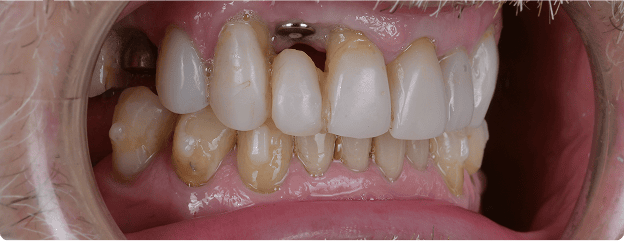
When only one tooth is missing, it is best to install a single dental implant. A titanium implant is inserted into the bone, rather than relying on surrounding teeth to hold in place, and a custom-made dental crown is then attached to it.
This treatment offers several advantages, including:
- Preserves healthy neighbouring teeth.
- Restores natural chewing function.
- Provides a seamless, natural-looking appearance.
- Helps prevent bone loss around the missing tooth.
Single implants are often recommended as a long-lasting alternative to traditional dental bridges.
Multiple Tooth Dental Implants
If you have multiple missing teeth, you might not need an implant for each missing tooth. An implant-supported bridge is a single solution that offers multiple implant-supported replacement teeth to create a secure and functional bridge.
Multiple tooth implants can:
- Restore several missing teeth with fewer implants.
- Improve chewing efficiency.
- Offer greater stability than removable partial dentures.
- Protect surrounding healthy teeth from unnecessary preparation.
This option combines comfort, durability, and aesthetics while supporting long-term oral health.
Full Arch Dental Implants
For patients who have lost most or all of their lower or upper teeth, a full arch dental implant solution may be a suitable option. All-on-4 or All-on-6 is a treatment that involves strategically positioning implants to provide a fixed arch of replacement teeth.
Compared with traditional removable dentures, full arch dental implants provide:
- A secure, fixed solution.
- Improved speech and chewing ability.
- Enhanced facial support.
- Greater confidence during everyday activities.
- A natural-looking smile that closely resembles real teeth.
For many patients, full arch restoration offers a life-changing improvement in both function and appearance.
Benefits of Dental Implants
No matter what type of implant treatment you need, there are many benefits to dental implants when compared to other tooth replacement methods.
Some of the key benefits include:
- Natural-looking appearance and comfortable fit.
- Strong, stable support for replacement teeth.
- Improved chewing and speaking ability.
- Preservation of jawbone density after tooth loss.
- Long-lasting results with proper care.
- Better confidence when smiling and socialising.
- Protection of surrounding healthy teeth.
Because implants replace the tooth root and the visible tooth, they help maintain your oral health while restoring everyday function.
Caring for Your Dental Implants
Just like taking care of your natural teeth, dental implants need preventative care. To keep gums healthy and treatment successful, maintaining good oral hygiene and regular professional care is essential.
To help keep your implants in excellent condition:
- Brush your teeth twice daily using fluoride toothpaste.
- Clean between your teeth and implants every day.
- Attend regular dental hygiene appointments.
- Visit your dentist for routine examinations.
Avoid smoking where possible, as it may affect healing and long-term implant success.
Following your dentist's aftercare advice will help protect your investment and support long-lasting results.
Why Choose Dental Concepts for Dental Implants?
Choosing the right implant provider is just as important as choosing the treatment itself. At Dental Concepts, patients benefit from experienced clinicians, advanced digital planning, and personalised treatment designed around their individual needs.
If you're searching for a trusted dentist in Andover, our experienced team provides comprehensive implant assessments using modern diagnostic technology to create predictable treatment plans and natural-looking results.
We proudly provide dental implants in Andover using advanced techniques and high-quality materials, helping patients restore their smiles with confidence. Every stage of treatment is carefully planned to ensure comfort, precision, and long-term success.
Conclusion
Whether you're replacing a single missing tooth, multiple teeth, or a complete dental arch, dental implants offer a reliable and long-lasting solution that restores both oral health and confidence. The right treatment begins with a detailed assessment to determine the most suitable option for your individual needs.
If you're considering dental implants in Andover, booking a consultation with an experienced dentist in Andover is the first step towards restoring a healthy, natural-looking smile that can last for many years.
FAQs
Can dental implants replace teeth that have been missing for many years?
Yes, many patients remain suitable for candidates, although your dentist will first assess your jawbone health and overall oral condition.
How many dental implants are needed for a full arch replacement?
The number varies depending on your treatment plan, but full arch restorations are commonly supported by four or more strategically placed implants.
Can dental implants be placed immediately after a tooth extraction?
In some cases, yes, immediate implant placement may be possible depending on the condition of the tooth, surrounding bone, and your overall oral health.