



Losing one or more teeth can affect more than the appearance of your smile. It may make eating certain foods difficult, affect your speech, and change how comfortable you feel in everyday situations. Fortunately, there are several ways to replace missing teeth, with dental implants and dentures being two commonly considered options.
Both treatments can help restore your smile, but they work differently and have their own benefits and considerations. Understanding these differences can help you decide which option may suit your needs. A consultation with a Dentist in Salisbury can also help you explore the available treatments based on your oral health and individual circumstances.
What Are Dental Implants?
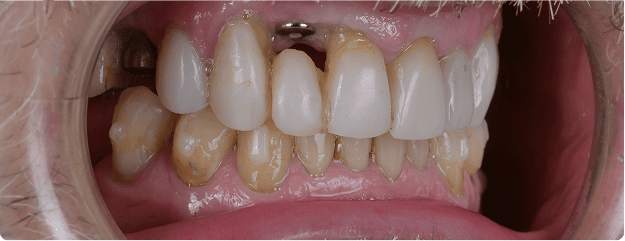
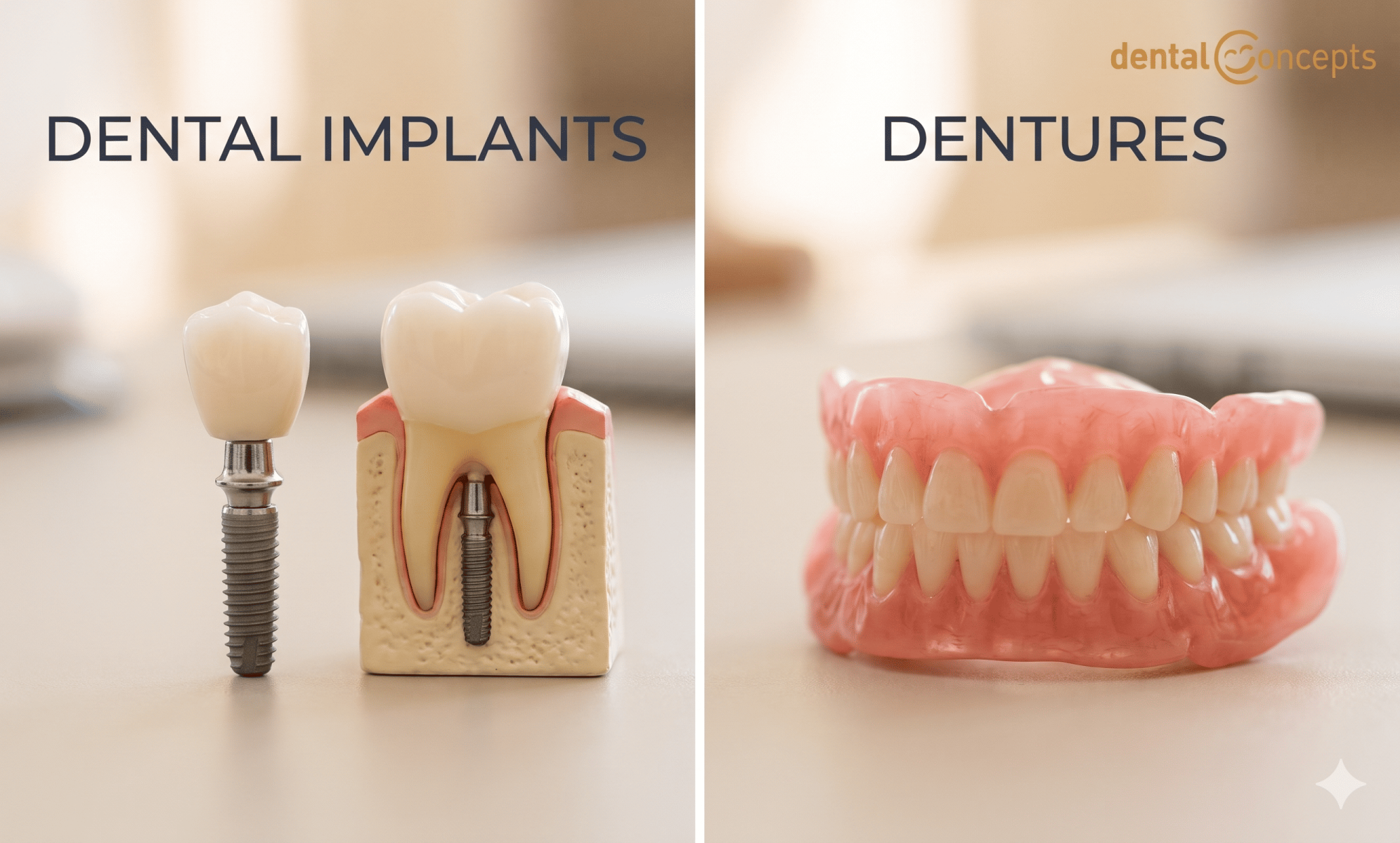
Dental implants are small posts, typically made of titanium, that are placed into the jawbone to serve as artificial tooth roots. Once the implant has integrated with the surrounding bone, it can support a replacement tooth, bridge, or denture.
They are designed to provide a stable foundation for replacing missing teeth. Depending on the number of teeth that need to be replaced, your dentist might suggest:
- Single-tooth implants: Used to replace an individual missing tooth with a crown.
- Implant-supported bridges: Used when several neighbouring teeth are missing.
- Implant-retained dentures: Use implants to help secure a removable denture.
One important consideration is that implant treatment involves a surgical procedure and requires a period of healing. Your suitability will depend on factors such as the condition of your jawbone, gum health, general health, and oral hygiene.
What Are Dentures?
Dentures are removable appliances used to replace missing teeth and, where necessary, the surrounding gum tissue. They are typically made from acrylic or a combination of acrylic and metal.
There are two main types:
- Partial dentures: Replace one or several missing teeth while fitting around the remaining natural teeth.
- Full dentures: Replace all the teeth in either the upper or lower jaw, or both.
Dentures can be removed for cleaning and are generally less invasive than implant treatment. However, they may need adjustments over time as the shape of your gums and jaw changes. Some people also need time to get used to speaking and eating with them.
Dental Implants vs Dentures: Key Differences
While both treatments can replace missing teeth, their practical differences may influence your choice.
Stability and Comfort
Dental implants are placed in the jawbone and can provide a stable foundation for replacement teeth. Unlike traditional removable dentures, they do not rely on clasps or adhesives for support.
Dentures rest on the gums and may move while eating or speaking, particularly if they become loose. For people who prefer a removable denture but want additional stability, implant-retained dentures may be an option.
Appearance and Function
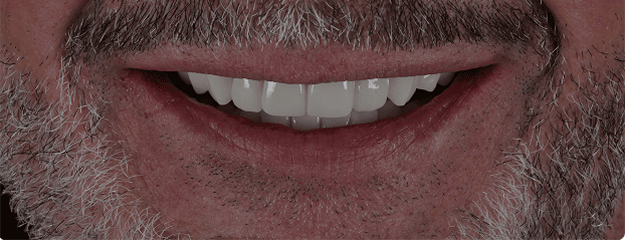
Both options can be designed to look natural and help restore your smile. Dental implants support individual crowns or other dental restorations, whereas dentures are removable appliances that replace missing teeth.
Implants may feel more like natural teeth when chewing, although the experience varies between individuals. Dentures can also help improve chewing function, although some foods may take practice to eat comfortably.
Treatment Time and Maintenance
Implant treatment typically takes longer because the implant needs time to integrate with the jawbone before the final restoration is fitted. In some cases, additional procedures may also be required.
Dentures can often be provided without surgery, although several appointments may be needed to assess your mouth, take impressions, and check the fit of the dentures.
Both options require regular cleaning and dental check-ups. Implants need careful brushing and cleaning around the gum line, while dentures should be removed and cleaned as directed by your dentist.
Which Option May Be Right for You?
The appropriate treatment will depend on the number of missing teeth, your oral health, your personal preferences, and your budget. If you have healthy bone and gums and want a fixed replacement, you might want to consider dental implants.
If you want to avoid implant surgery, prefer a removable option, or have health or anatomical factors that make implants unsuitable, dentures may be a better option. In some situations, implant-supported dentures may also be considered.
When you're considering Dental Implant in Salisbury options versus Dentures in Salisbury, a clinical evaluation can help you determine which treatments are appropriate. Your dentist will check your teeth and gums, review your medical history, and discuss the costs, stages, and maintenance of the treatment.
Making an Informed Treatment Decision
Replacing missing teeth is an individual decision, and there is no single solution that suits everyone. It is worth discussing the advantages, limitations, and long-term responsibilities of each option before proceeding.
A qualified Dentist in Salisbury can explain whether implants, dentures, or another restoration may meet your needs. You should also ask about treatment timelines, aftercare, possible complications, and future maintenance.
The aim is to choose a replacement that supports your oral health, restores useful function, and fits comfortably into your everyday life.
FAQs
Can I switch from dentures to dental implants later?
Yes, it may be possible. Your dentist will assess your gum health, jawbone condition and overall suitability before recommending implant treatment.
Do dental implants and dentures require special cleaning products?
Dentures may require specific cleaning products, while implants can generally be cleaned using regular dental hygiene products and suitable interdental aids. Your dentist can recommend the right approach.
Can I get dental implants if I have been wearing dentures for years?
Possibly. However, wearing dentures for a long time may be associated with changes in jawbone volume. Your dentist will assess the available bone and discuss suitable options.