



Dental emergencies can affect not just your smile and comfort, but a sudden toothache, a fractured tooth or an unexpected tooth loss can make eating difficult. While some dental problems require urgent attention and treatment, others may need a longer-term restorative solution to protect your oral health and restore dental function.
Visiting a dental clinic in Southampton helps you understand the cause of the problem and explore suitable treatment options. Depending on the injury or condition, your dentist may recommend emergency care to stabilise the affected area, followed by restorative treatment if necessary.
Understanding how these treatments work together can help you make the right decisions about your dental health.
When Should You Seek Emergency Dental Care?
There are some dental issues that do not need immediate attention, but there are symptoms that cannot be ignored, such as a toothache that is severe, a broken or knocked-out permanent tooth, a significant swelling, bleeding that is not controlled and suspected dental infections all rquire emergency dentist and care.
An emergency dentist in Southampton can examine affected area, determine the probable cause of the problem and suggest suitable treatment like repairing a broken tooth, treating an infection, or holding a knocked-out tooth in place.
If there is swelling on the face or in the mouth that makes it difficult to breathe or to swallow, you should seek emergency medical care right away.
How Does Emergency Treatment Protect Your Smile?
The main purpose of emergency dental treatment is to reduce excessive pain and risk of further damage. Your dentist examines your teeth and gums, evaluates symptoms and, if necessary, takes X-rays.
Treatment will vary depending on your condition. A cracked tooth might require a restoration, or an infected tooth may require a root canal. It may be possible to save a knocked-out tooth if it has been treated properly as soon as possible.
Emergency treatment is sometimes just the first step. After the immediate issue is resolved, your dentist will be able to discuss further treatment to restore the look and function of your teeth.
What Happens If a Tooth Cannot Be Saved?
Despite timely care, some teeth may be too severely damaged to preserve. In these cases, your dentist will discuss the options, such as replacement where extraction is necessary.
A teeth gap can impact functions such as chewing, adjacent teeth alignment, and smile. The effect is, however, dependent on the missing tooth position and the general condition of your teeth.
A dental clinic in Southampton can help you determine whether your case suits a bridge, removable denture or dental implant to replace the missing tooth.
How Can Dental Implants Restore Missing Teeth?
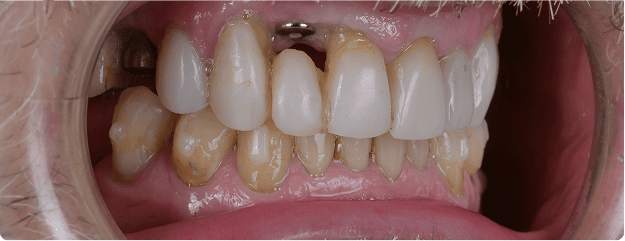
Dental implants are used in place of missing tooth roots to hold the artificial teeth in place. The implant is inserted in the jaw, and with proper healing, it can be used to support a crown or other appropriate restoration.
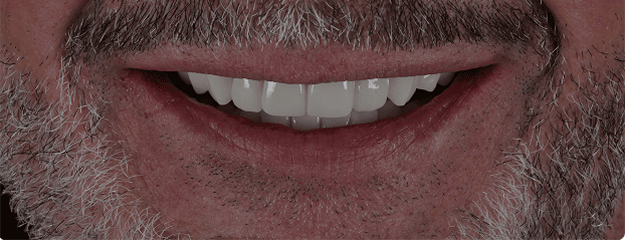
Affordable dental implants in Southampton can be an option for patients who are advised to replace their missing teeth due to trauma, decay or other dental issues. They can also improve functions such as chewing and provide a look similar to a natural tooth.
During a dental emergency, dental implant treatment is not the first step of treatment. Before planning implant placement, the dentist should first determine the extent of the injury, clean up any infection, and check gum and jawbone health.
Are Dental Implants Suitable for Everyone?
Whether dental implants is a suitable treatment for everyone or not depends on a number of factors including gum health, bone availability, overall health and oral hygiene.
Surrounding tissues may require time to heal after an accident, before implant placement is possible. In other cases, further treatment might be necessary before going ahead.
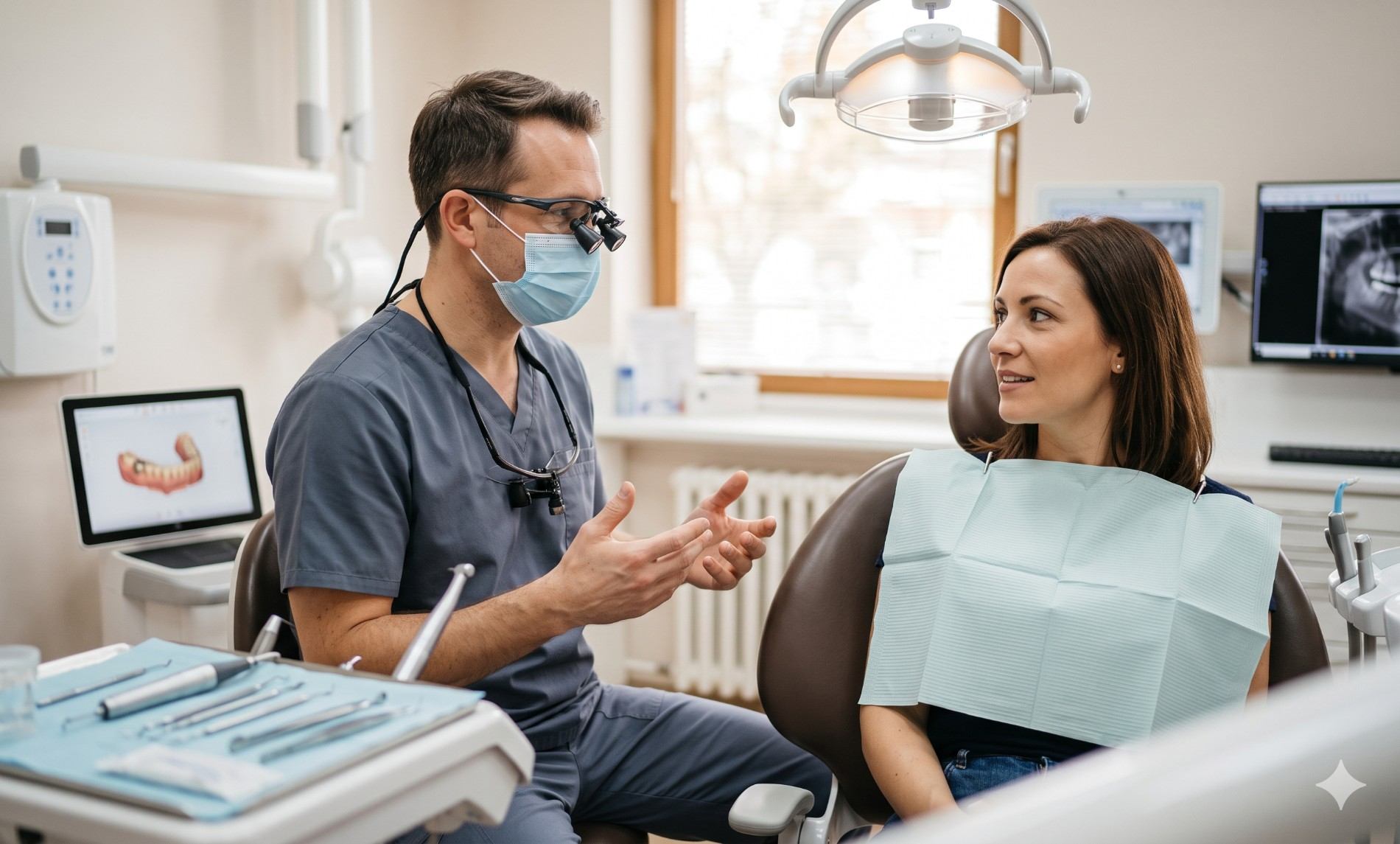
Your dentist will be able to tell you what the stages of treatment will be, what you will need to do to heal, and what other options you have. If an implant is not an option, a bridge or removable denture might be an alternative to replacing the missing tooth.
Why Is Follow-Up Care Important?
The smile restoration journey doesn't stop after the initial treatment. Follow-up visits enable your dentist to track healing, determine your after treatment status, and detect any issues that need to be addressed.
By keeping proper oral hygiene, visiting the dentist regularly, and adhering to their recommendations, you can contribute to the overall health of your teeth and restorations.
If you have been treated in an emergency or have been thinking about Dental Implants in Southampton, it is essential to have ongoing treatment to ensure comfort, function and oral health.
Final Thoughts
Dental emergencies can be unsettling, but prompt assessment can help protect your natural teeth and clarify your treatment options. When a tooth cannot be saved, replacement solutions may help restore your smile and everyday dental function.
A personalised assessment at a dental clinic in Southampton can help you understand the immediate treatment required and whether longer-term options, including dental implants, may be appropriate for your needs.
FAQs
Can a dental implant be placed immediately after a tooth extraction?
In selected cases, an implant may be placed immediately after extraction. Suitability depends on bone quality, gum health and the condition of the extraction site.
Can I get a dental implant if I have gum disease?
Active gum disease usually needs to be treated before implant placement. Your dentist can assess your gum health and recommend the appropriate next steps.
How long does it take to recover after dental implant surgery?
Initial healing usually takes a few days to a week, but complete healing and integration with the jawbone can take several months, depending on individual circumstances.