

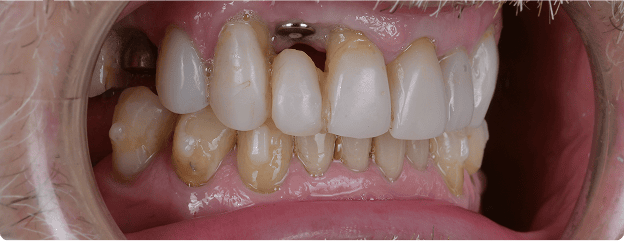
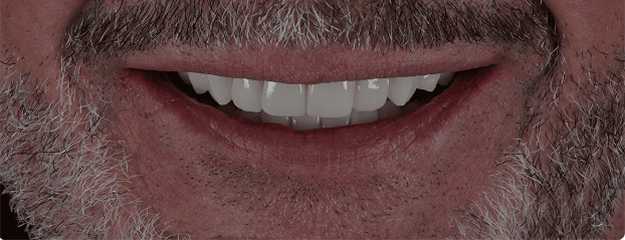


Replacing missing teeth is not simply about filling a gap. Your dentist needs to consider your oral health, jawbone condition, existing teeth, lifestyle, and long-term goals before recommending implant treatment. While dental implants can provide a stable and natural-looking replacement for missing teeth, they are not automatically the right solution for everyone.
If you're considering dental implants in Poole, understanding how your suitability is assessed can help you know what to expect from your consultation.
What Happens During an Implant Assessment?
The initial visit allows your dentist to learn about your dental history, perform a dental examination, and talk to you about what you hope to accomplish. The assessment is not only restricted to the missing tooth as the surrounding teeth, gums, and jawbone also contribute to successful implant treatment.
Your clinician may assess:
- The number and location of missing teeth
- The condition of your remaining teeth
- Your gum health
- The condition and volume of your jawbone
- Your bite and how your teeth come together
- Your general health and relevant medical history
- Your expectations and treatment preferences
This information helps your dental team determine whether implants are appropriate, and which type of restoration may be most suitable.
Is There Enough Bone for an Implant?
One of the most significant factors to take into account when planning an implant is jawbone health. Once a tooth is lost, the stimulating forces around its root gradually decrease, thus causing the bone to diminish.
If the amount of bone is not adequate to support an implant securely, your dentist may talk to you about other procedures that can be performed, including bone grafting. But these procedures are necessary only in people with specific anatomy and treatment plans.
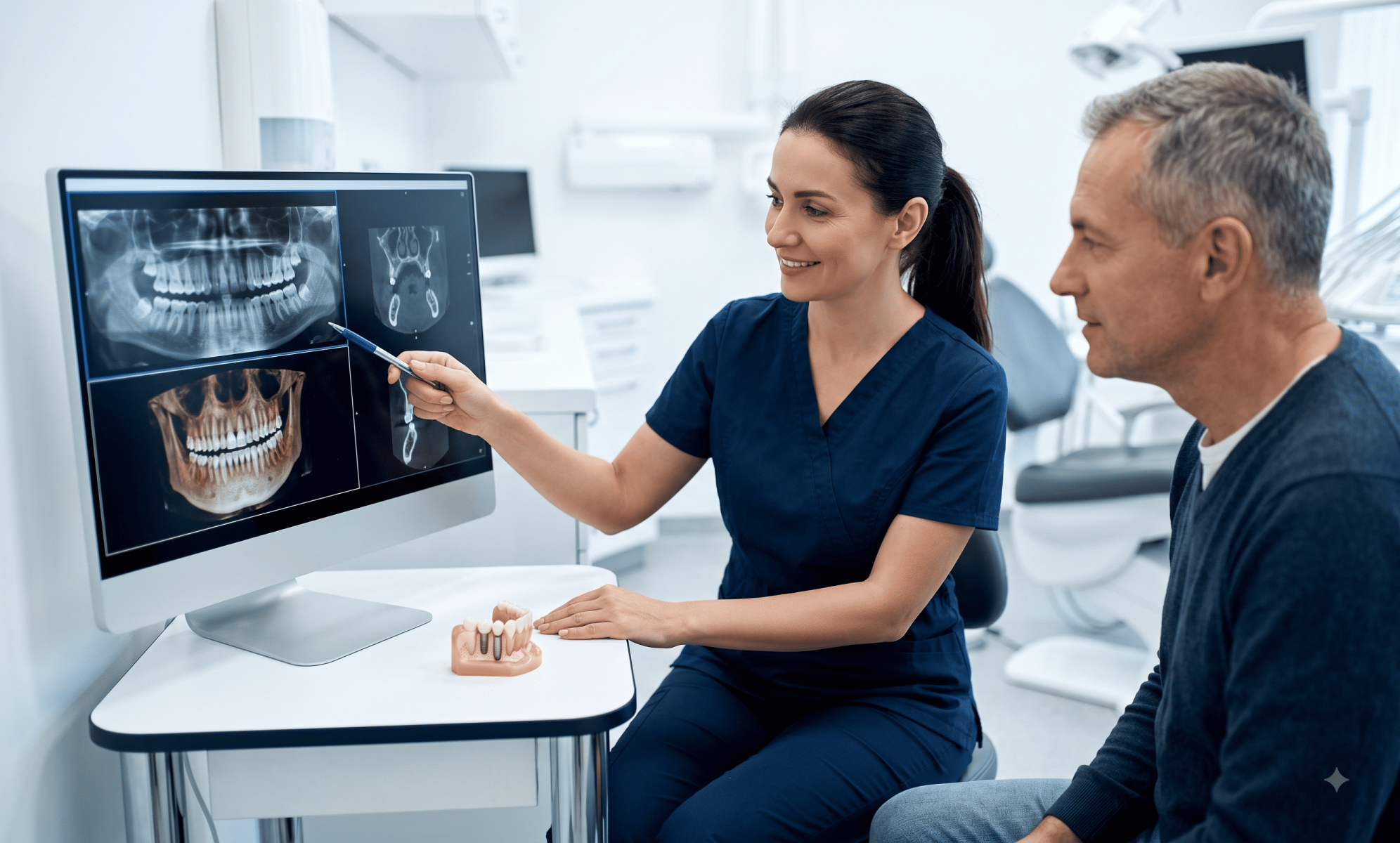
Advanced imaging can offer the dentist a more detailed look at the jawbone, which can assist with safe placement of the implant.
Why Healthy Gums Matter
Healthy gums are crucial for the treatment of an implant. If you already have gum disease or inflammation, it may need treatment prior to implant placement.
Your dentist will examine your gums and check for gum inflammation, bleeding, recession, and more. Your long-term oral health can be enhanced, and a healthier environment for your implant can be created by addressing these problems first.
Good oral hygiene is also important after treatment. Brushing, interdental cleaning, professional hygiene appointments, and routine dental check-ups are necessary for implants.
Does Your Overall Health Affect Implant Suitability?
Another area of your overall health may impact treatment plans. Medical conditions, medications, and lifestyle habits can impact healing or the longevity of an implant.
This doesn't mean that you can't get implants. Your dentist will, however, need more information about your medical history or take steps to avoid issues before doing so.
As another point, smoking comes into play and can have an impact on the healing process and the risk of complications. Your dentist can give your personal recommendations, depending on your situation.
What If You Need More Than One Implant?
Suitability is not just a replacement for a single missing tooth. Your dentist can also determine if implants can be used for several missing teeth or a full denture.
In cases where more than one tooth is lost, a bridge over implants could be a viable treatment option. If most of the teeth are missing, there may be treatments available for patients, including full arch implant-supported restorations.
This will depend on the number of teeth missing, the health of the bone, gums, bites, and the goals of the treatment.
Why Choosing the Right Dentist Matters
A careful evaluation is necessary due to the multiple phases of implant treatment that include diagnosis, planning, implant placement, and restoration. A knowledgeable dentist in Poole is there to listen to your concerns and explain to you why your dentist has suggested a treatment.
The treatment plan at Dental Concepts is customised for each patient. Advanced diagnostic technology can provide your dentist with the information needed to determine the health of your teeth and jawbone and create a comprehensive treatment plan prior to implant surgery.
Consultations to explore dental implants in Poole should provide you with a good understanding of the suitability, options, treatment stages and requirements after the procedure.
What If You Are Not Immediately Suitable?
Not being suitable for implants at first consultation does not necessarily mean that implants are permanently not suitable. Depending on the cause, your dentist might suggest treating the gum disease, better oral hygiene, giving an area of time to heal, or other treatments to enhance bone support.
What matters is to know the reasoning behind a specific recommendation and the options that might be open to you.
Final Thoughts
The dentist should carefully evaluate each patient to determine the best treatment options for them—dental implants should not be considered based on one single indicator. Whether or not implants are a suitable treatment is dependent on your oral health, jawbone, gum health, and treatment goals.
The best way to know the options is to have an assessment with a qualified dentist in Poole to determine if dental implants in Poole are an option for you. At Dental Concepts, a bespoke plan and cutting-edge diagnostic equipment help to ensure the treatment that you are proposing is tailored to your needs and your oral health.
FAQs
How long does a dental implant consultation take?
The length varies depending on your needs, especially if detailed examinations or imaging are required before treatment can be planned.
Can I get an implant if I have a dental bridge?
Potentially, your existing bridge will be assessed alongside the surrounding teeth, gums, and bone before an implant option is recommended.
Can dental implants be used for front teeth?
Yes, implants can replace missing front teeth, with the restoration carefully designed to match the appearance of your surrounding teeth.