

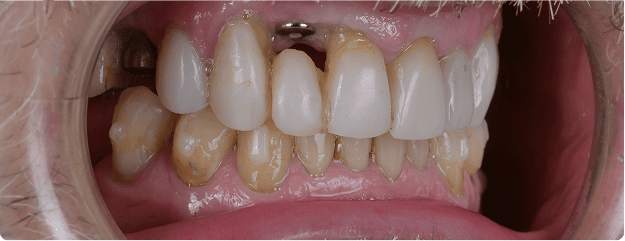
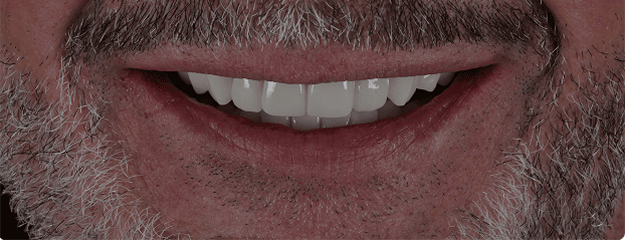



Straightening your teeth can improve more than just the appearance of your smile. Better alignment may also make teeth easier to clean and help address certain bite problems. Today, patients can choose from different orthodontic treatments, including removable clear aligners and fixed clear braces. Both options aim to move teeth into better positions, but they work differently and suit different needs.
If you are considering teeth straightening, visiting a Dental Clinic in Poole can help you understand which treatment may be appropriate. Your choice will depend on your dental health, the complexity of your alignment concerns, your lifestyle and the results you hope to achieve.
What Is Invisalign?
Invisalign is a teeth-straightening system that uses a series of custom-made, transparent plastic trays to move teeth gradually. The aligners are removable, allowing you to eat and clean your teeth without working around fixed brackets and wires.
Patients generally need to wear their aligners for around 20–22 hours each day, removing them for meals and oral hygiene. Consistent wear is essential because leaving them out for too long can affect treatment progress.
For patients exploring Invisalign in Poole, suitability depends on their individual orthodontic needs. Invisalign can address many alignment concerns, including certain cases of crowding, gaps and bite irregularities. However, more complex cases may require a different approach or additional treatment.
What Are Clear Braces?
Clear Braces are fixed orthodontic appliances that use tooth-coloured or transparent brackets attached to the teeth. A wire connects the brackets and applies controlled pressure to guide teeth into their planned positions.
Unlike removable aligners, clear braces remain in place throughout treatment. This means you do not need to remember to put them back after meals. They may be suitable for some cases that require more complex tooth movements.
However, fixed braces need careful cleaning around the brackets and wires. Certain hard or sticky foods may need to be avoided, and you may experience temporary soreness after adjustments.
Invisalign vs Clear Braces: Key Differences
Both treatments can improve tooth alignment, but their practical differences may influence your decision.
Appearance: Invisalign aligners are transparent and designed to fit closely over your teeth. Clear braces use discreet brackets and wires but may be more noticeable.
Removability: Invisalign can be removed for meals and cleaning, while clear braces remain fixed until treatment is complete.
Daily maintenance: Aligners need regular cleaning and consistent wear. Clear braces require careful brushing around brackets and wires.
Lifestyle: Removable aligners offer flexibility when eating, but you must follow the recommended wearing schedule. Fixed braces remain in place throughout treatment, so you do not need to remember to wear them each day.
Treatment suitability: Both options can address alignment concerns, but the most appropriate choice depends on your teeth, bite and clinical requirements.
Treatment duration varies between patients. The complexity of tooth movement, the chosen appliance and how closely you follow your treatment plan can all affect progress.
Is a Clear Aligner Right for You?
Clear aligners may suit patients who want a discreet, removable alternative to fixed braces. Aligners can be particularly convenient for people who prefer to remove their appliance when eating or cleaning their teeth.
However, they require commitment. You must wear them for the recommended number of hours daily and switch trays according to your dentist's instructions. They may not be suitable for every orthodontic problem.
If you are comparing aligner systems, ask about treatment planning, appointment frequency, expected duration and what happens if your teeth do not move as predicted.
Which Option Fits Your Smile?
Your lifestyle and dental needs should guide your decision. Invisalign may appeal if you value flexibility and minimal visibility, while clear braces may suit you if you prefer a fixed appliance or need more complex tooth movements.
A Dental Clinic in Poole can assess your teeth and gums, examine your bite and explain the benefits and limitations of each option. Your dentist can also explain the likely costs, expected treatment duration and whether you need any dental treatment before starting.
Maintaining Your Results After Treatment
Teeth can gradually move back towards their previous positions after orthodontic treatment. Wearing retainers as advised helps maintain your new alignment and protects the results you have achieved.
Good oral hygiene and regular dental check-ups remain important throughout treatment and afterwards. Your dentist can explain how to care for your teeth and retainers to support long-term oral health.
Final Thoughts
Invisalign and clear braces offer different ways to achieve a straighter smile. The right option depends on your orthodontic needs, daily habits and treatment goals rather than appearance alone.
If you are considering Invisalign in Poole or comparing it with clear braces, a personalised consultation can help you understand your options and choose a treatment suited to your smile.
FAQs
Can I play sports while wearing Invisalign or clear braces?
Yes, but your dentist may recommend a suitable mouthguard, particularly for contact sports.
Can I have teeth whitening before or after orthodontic treatment?
Whitening is often considered after teeth straightening is complete, although your dentist can advise on the most suitable timing.
What happens if I lose an Invisalign aligner?
Contact your dentist for advice rather than automatically moving to the next tray, as the appropriate next step depends on your treatment stage.