

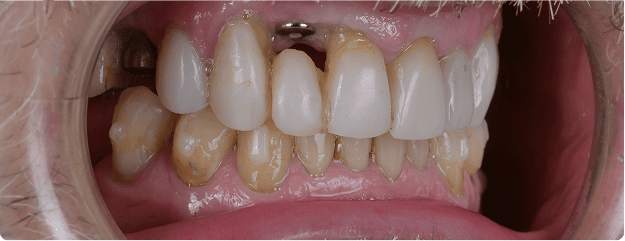
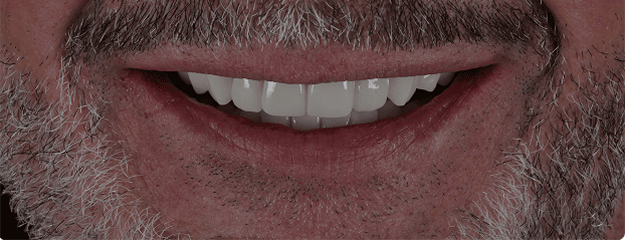



Missing teeth can affect your ability to eat comfortably, speak clearly, and feel confident about your smile. Whether you have lost a tooth due to injury, decay, or gum disease, replacing it can help restore dental function and appearance. Dental implants are one option for people looking for a fixed replacement that feels stable and works alongside their remaining natural teeth.
However, implant treatment involves careful planning and several stages. Before deciding whether to proceed, it is important to understand how implants work, who may be suitable, and what to expect during treatment. If you are considering a Dental Implant in Poole, here are some important things to know.
What Are Dental Implants?
A dental implant is a small post, typically made of titanium, that is placed into the jawbone to replace the root of a missing tooth. Over time, the implant integrates with the surrounding bone and provides a stable foundation for a replacement tooth.
A dental crown is usually attached to the implant to replace an individual missing tooth. Implants can also support a bridge or denture, depending on the number of teeth being replaced and the treatment plan.
Some common treatment options include:
- Single-tooth implants: Replace one missing tooth using an implant-supported crown.
- Implant-supported bridges: Replace several missing teeth using implants for support.
- Implant-retained dentures: Use implants to help keep a removable denture securely in place.
The best choice will depend on the number of missing teeth, your oral health, and your treatment objectives.
Who May Be Suitable for Dental Implants?
While dental implants may be appropriate for many adults, a clinical assessment is required before treatment. Your dentist will examine your mouth and consider various factors to determine whether implants are a suitable option.
These may include:
- Gum health: Healthy gums are important for supporting implants and reducing the risk of infection.
- Jawbone condition: Sufficient bone is needed to support the implant. If bone volume is limited, additional procedures may sometimes be considered.
- General health: Certain medical conditions and medications can affect healing and treatment suitability.
- Oral hygiene: Good daily cleaning habits and regular dental visits help maintain the health of implants and surrounding tissues.
- Lifestyle factors: Smoking can increase the risk of complications and may affect healing.
A consultation with a dentist in Poole can help you understand whether implant treatment is suitable and whether any preparatory dental work may be needed.
What Happens During Dental Implant Treatment?
Dental implant treatment is typically completed over a series of appointments. The treatment process and duration will vary depending on your dental condition and the complexity of your case.
1. Consultation and Assessment
Your dentist will review your medical and dental history, examine your teeth and gums, and discuss your expectations. X-rays or other imaging scans may be recommended to assess the jawbone and plan the implant placement.
2. Implant Placement
If you are suitable for treatment, the implant is placed into the jawbone during a surgical procedure. Local anaesthetic is used to numb the area, and sedation may also be discussed where appropriate.
3. Healing and Integration
Once the implant is in place, it needs time to integrate with the surrounding bone to become stable. This process is called osseointegration and provides a firm foundation for the replacement tooth. Healing times vary between individuals.
4. Fitting the Replacement Tooth
After the implant has sufficiently integrated with the bone, a crown, bridge, or denture can be fitted. Your dentist will check the fit and bite to make sure the restoration is comfortable and functions properly.
What Should You Consider Before Treatment?
It is important to consider the treatment duration, total costs, potential risks, and ongoing maintenance before deciding on implants. Some people may need additional procedures, such as bone grafting, before implants can be placed.
It is also important to understand that implants require ongoing maintenance. Although the implant itself cannot develop tooth decay, the gums and tissues around it can become inflamed if plaque builds up.
Discuss the other available options with your dentist, including their benefits and limitations compared with implants. Understanding what each treatment involves can help you make an informed decision based on your individual needs.
How Can You Maintain Dental Implants?
Maintaining good oral hygiene is crucial for the health of implants and surrounding tissues. Brush with fluoride toothpaste twice a day and clean carefully around the implant and restoration. Use interdental brushes or other cleaning aids to reach areas that are harder to clean.
You should also have regular dental visits to ensure that your dental team monitors the implant, gums, and restoration. Following their cleaning and maintenance advice can help reduce the risk of complications.
Is Dental Implant Treatment Right for You?
Dental implants can provide a fixed way to replace missing teeth, but they are not suitable for everyone. Your oral health, medical history, jawbone condition, and personal preferences all play a role in treatment planning.
If you are considering a Dental Implant in Poole, arrange an assessment to discuss your options. An experienced Dentist in Poole can explain the procedure, expected timeline, costs, and alternatives, helping you decide on an approach that supports your oral health and everyday comfort.
FAQs
Can dental implants trigger an allergic reaction?
Titanium implants are generally well tolerated, and allergic reactions are uncommon. Discuss any known metal allergies with your dentist before treatment.
Can I have an MRI scan if I have dental implants?
Yes, dental implants are generally compatible with MRI scans. However, always inform your healthcare team about your implants before undergoing a scan.
Can dental implants become loose over time?
Yes, although this is not common. Loosening can occur due to problems with the implant, surrounding bone, or restoration. Contact your dentist if you notice movement or discomfort.