



.png)
Losing a tooth in an accident can be painful, distressing and unexpected. Whether it happens while playing, taking a fall or an impact on the face, knowing what to do immediately can help protect your oral health. Even if the injury looks minor, damage to the surrounding teeth, gums or jaw may not be visible or feel immediately.
Seeking early dental help is important, particularly when a permanent tooth has been knocked out. Visiting a dental clinic in Andover help you understand the seriousness of the injury and explore suitable treatment options.
Depending on the circumstances, treatment may involve stabilising the affected area, attempting to save the natural tooth or considering a replacement if it cannot be preserved.
What Should You Do If a Tooth Is Knocked Out?
If your permanent tooth is completely knocked out, get immediate dental advice. Grab the tooth by the crown and not the root. If it is dirty, wash it with milk or saline solution (if available) but do not scrub it.
Carefully place the tooth back in its position if possible, without forcing it. Otherwise, keep it moist in milk or an appropriate tooth-preservation solution and take it with you. Do not let it dry. Baby teeth should not be replanted.
Effective treatment in this situation depends on immediate attention. Early treatment may increase the likelihood of saving a permanent tooth. Do not postpone professional care, even if the pain is tolerable.
When Should You Contact an Emergency Dentist?
A knocked out tooth is not the only injury that needs immediate care. If there is a lot of bleeding, severe pain or swelling or damage in multiple teeth, then it may also require urgent evaluation.
An emergency dentist will be able to analyse injury and identify the surrounding tissues to see if any critical problem is unseen. Depending on the damage, treatments include repositioning and tooth stabilising, repairing a fracture or managing an infection.
If the swelling is severe or you are unable to properly breathe or swallow, call for emergency medical help right away.
Can a Damaged Tooth Still Be Saved?
Not all teeth that are lost in an accident need to be replaced with an artificial tooth. Depending on the extent of the damage, appropriate treatment can preserve a tooth if it is displaced, fractured or partially loosened.
Your dentist may suggest stabilisation, an appropriate restoration or root canal therapy as indicated clinically. Injuries may also impact the tissues that hold a tooth in place, and follow-up appointments may be required to track the healing process of those tissues.
A comprehensive examination at a dental clinic in Andover can help determine if the natural tooth can be retained or can be treated with replacement.
When Are Dental Implants an Option?
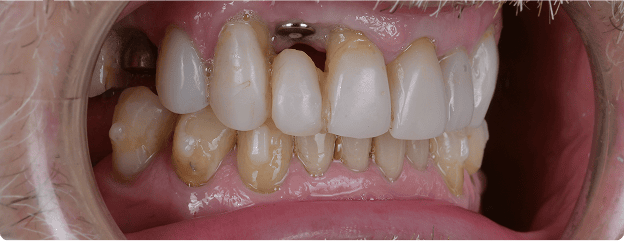
If a permanent tooth is damaged beyond repair, then a dental implant may be a possible replacement treatment. A replacement tooth is placed on an implant that is embedded in the jawbone to restore look and functioning.
While some patients may require dental implants in Andover following a traumatic tooth loss, it is not always a top priority after an accident. The injury must first be assessed, and the surrounding tissues must be looked at carefully.
Your dentist will decide after checking your gum condition, bone structure, damaged area in the gums and mouth, and if there is an infection. When the jaw is still growing, it is recommended to delay implant placement until the jaw has finished developing.
What Other Tooth Replacement Options Are Available?
A dental bridge or removable partial denture might be considered as other tooth replacement options depending on your oral health and individual situation.
A bridge can be used for replacing the missing tooth with the neighbouring teeth or other support.
A removable partial denture can be used to replace one or more missing teeth and can be removed for cleaning.
Your dentist will be able to tell you the pros and cons of each, maintenance, treatment, and which is appropriate for your specific injury.
Why Is Follow-Up Care Important?
The results of dental trauma may not be noticed right after the trauma. If tooth colour changes or tooth sensitivity, discomfort or swelling occurs, it may be necessary to evaluate further.
Observe your dentist's advice, schedule follow-up appointments as needed, and refrain from undue stress to the affected area during the healing process. Good oral hygiene can also aid recovery.
Final Thoughts
Losing a tooth in an accident can be upsetting, but prompt action can make a meaningful difference to your treatment options. Protect the injured area, seek urgent dental advice and avoid assuming that a damaged tooth cannot be saved.
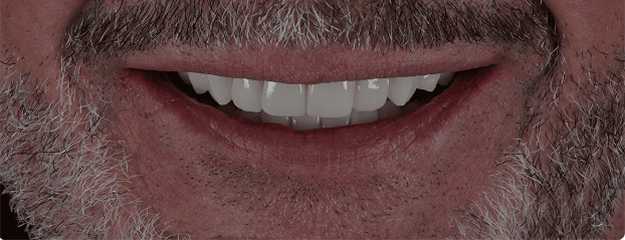
If replacement is necessary, your dentist can explain whether implants, bridges or dentures may be appropriate. A personalised assessment will help you understand the next steps towards restoring your smile and dental function.
FAQs
Can a tooth turn grey after an accident?
Yes, trauma can affect the tooth's internal tissues and cause discolouration. A dental assessment can help determine whether treatment is needed.
Can I exercise after losing a tooth in an accident?
It is best to avoid strenuous activity and contact sports until your dentist has assessed the injury and advised when it is safe to resume.
Will dental insurance cover tooth replacement after an accident?
Coverage varies by policy and provider. Check your insurance terms to understand whether emergency treatment, implants or other replacement options are included.