

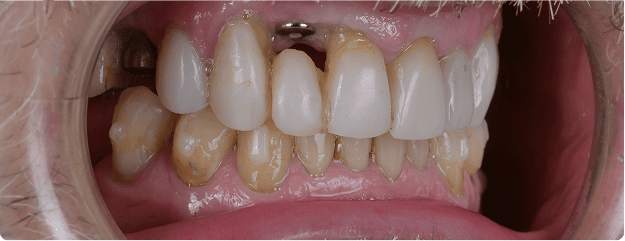
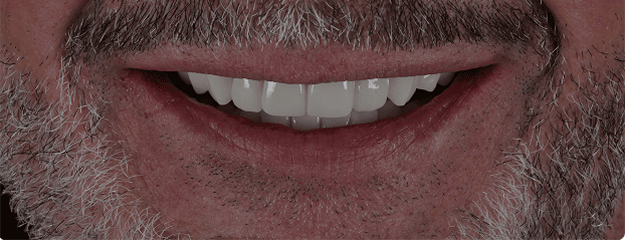


Losing a tooth can affect more than the appearance of your smile. Depending on its location, a missing tooth may make chewing uncomfortable, affect your bite or leave you feeling less confident. Fortunately, several treatments can replace missing teeth, including dental bridges, removable dentures and dental implants. However, the right option depends on your oral health and individual needs.
If you are considering tooth replacement, a Dentist in Salisbury can assess your teeth and gums, discuss your concerns and explain the available treatments. Understanding how dentists determine suitability for implants can help you prepare for your consultation and make an informed decision.
Why Does Replacing a Missing Tooth Matter?
A missing tooth can affect chewing and the position of neighbouring teeth. As time goes on, the surrounding teeth can gradually shift towards the gap, which can impact your bite and make it harder to take care of.
The effect will depend on whether you have lost 1 tooth, multiple teeth or an entire arch. Replacing missing teeth can help restore chewing function, improve appearance and support a more balanced bite. Your dentist will be able to tell you if replacement is advised and what options might be available to you.
How Does Your Dentist Assess Your Oral Health?
Before recommending Dental Implants in Salisbury, your dentist will examine your teeth, gums and overall oral health. This evaluation can help determine if there are any problems that might impact implant treatment or healing.
Your dentist may check for gum disease, untreated decay, infection and problems with your bite. Other factors that can affect treatment planning include existing dental restorations and the health of adjacent teeth.
If there are any active oral health issues, they will need to be addressed prior to implant placement. Good oral hygiene and healthy gums are essential to the success of an implant and to minimising the risk of complications.
Is There Enough Jawbone for Dental Implants?
Dental implants are placed in the jawbone, which needs sufficient support. Over time, if a tooth is missing, the surrounding bone can begin to recede due to a lack of stimulation from the tooth root.
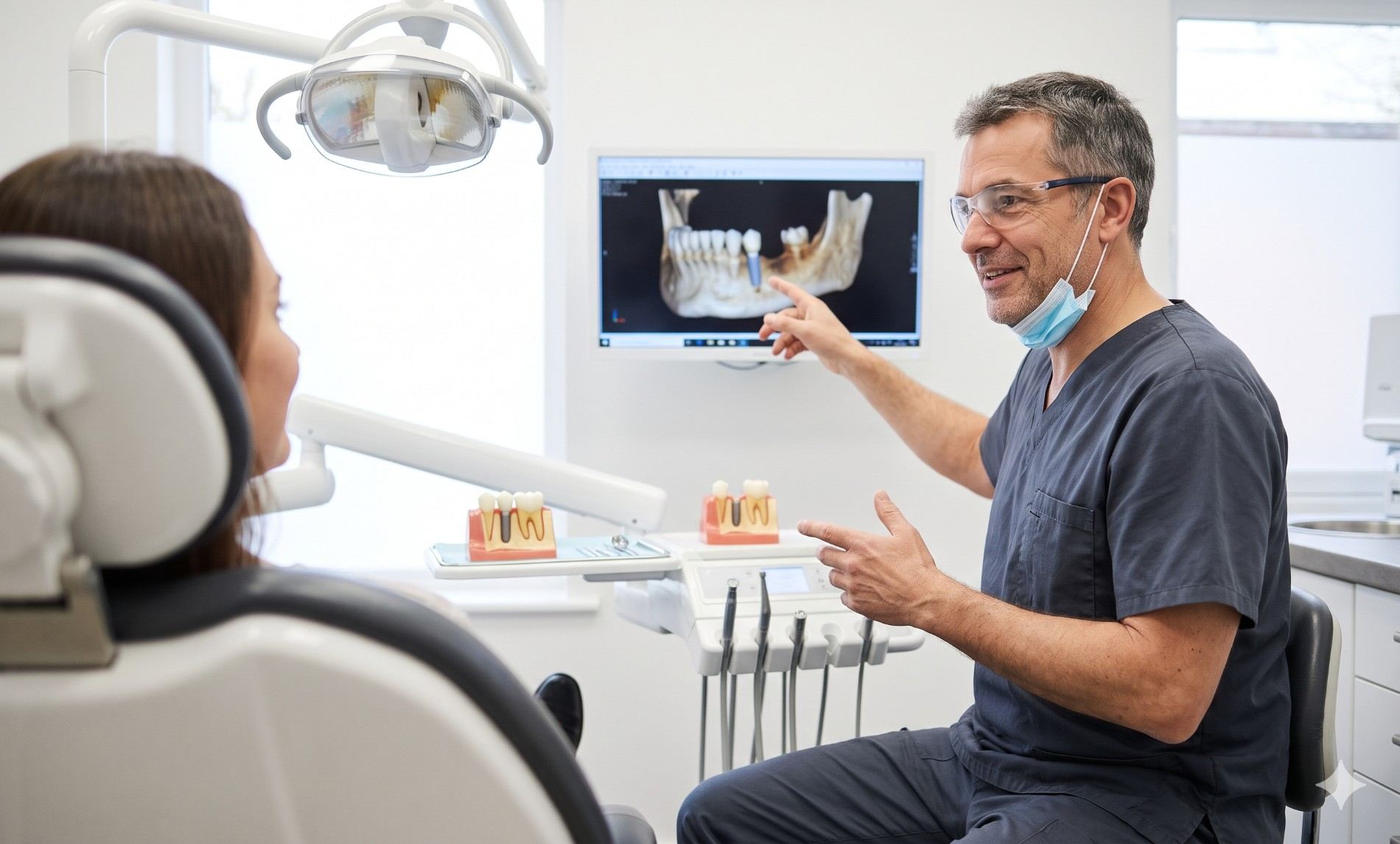
Your dentist might order dental x-rays or other imaging to determine the height, width and condition of the bone. Sometimes, more procedures are needed, such as bone grafting, if there's not enough bone.
But not all patients with low bone volume will be appropriate for all implant procedures. Your dentist will discuss the results and options with you.
How Does Your General Health Affect Suitability?
Your general health can affect your recovery from implant surgery. Some medical conditions, medications and lifestyle factors can impact healing or increase the risk of complications.
Smoking, for instance, can hinder healing and heighten the risk of complications associated with the implant. Before determining if treatment is appropriate, your dentist will ask for information about your medical history and medications.
That doesn't necessarily mean that you can't have implants. Rather, your dentist will be able to inform you of any other measures, risks or adjustments that may be required prior to treatment.
Are Dental Implants Suitable for Every Missing Tooth?
Dental Implants in Salisbury can be used to replace a single tooth, multiple missing teeth or an entire arch. The best course of action will depend on the number of teeth that are missing, the condition of your jawbone and the health of your remaining teeth.
Dental implants are not the only tooth replacement option. A dental bridge can be used to replace a missing tooth using neighbouring teeth for support, and removable dentures can be used to replace one or more teeth. Your dentist can compare the advantages, disadvantages, maintenance and expenses of these choices.
The goal is to identify a treatment that meets your expectations, oral health and budget – not the same treatment for every patient.
What Happens During Implant Treatment Planning?
After determining your suitability, your dentist will be able to discuss the treatment stages, healing time and expected costs. Planning can involve imaging, determining the placement of the implant, and deciding on the type of restoration to use.
Treatment timelines vary. For some patients, more procedures or more time may be necessary before the final crown or denture is in place. Your dentist will let you know what to expect and how to take care of your mouth during recovery.
A dentist in Salisbury can also talk with you about the significance of routine reviews and regular cleaning and dental check-ups to help you maintain your implant and surrounding gums.
Final Thoughts
Dental implants can provide a long-term option for replacing missing teeth, but suitability depends on several factors, including bone support, gum health and general health. A thorough assessment helps identify potential risks and establish the most appropriate treatment plan.
If you are exploring dental implants in Salisbury, a personalised consultation can help you understand your options and decide how best to restore your smile and chewing function.
FAQs
Can dental implants affect my ability to have an MRI scan?
Dental implants are generally compatible with MRI scans, but always inform your healthcare team about any implants before undergoing imaging.
Can dental implants be replaced if they fail?
In some cases, a failed implant can be replaced, but the area may need treatment and healing before another implant is considered.
Will I need to change my diet after dental implant treatment?
You may need to eat softer foods during the initial healing period. Your dentist will advise when you can gradually return to your usual diet.