



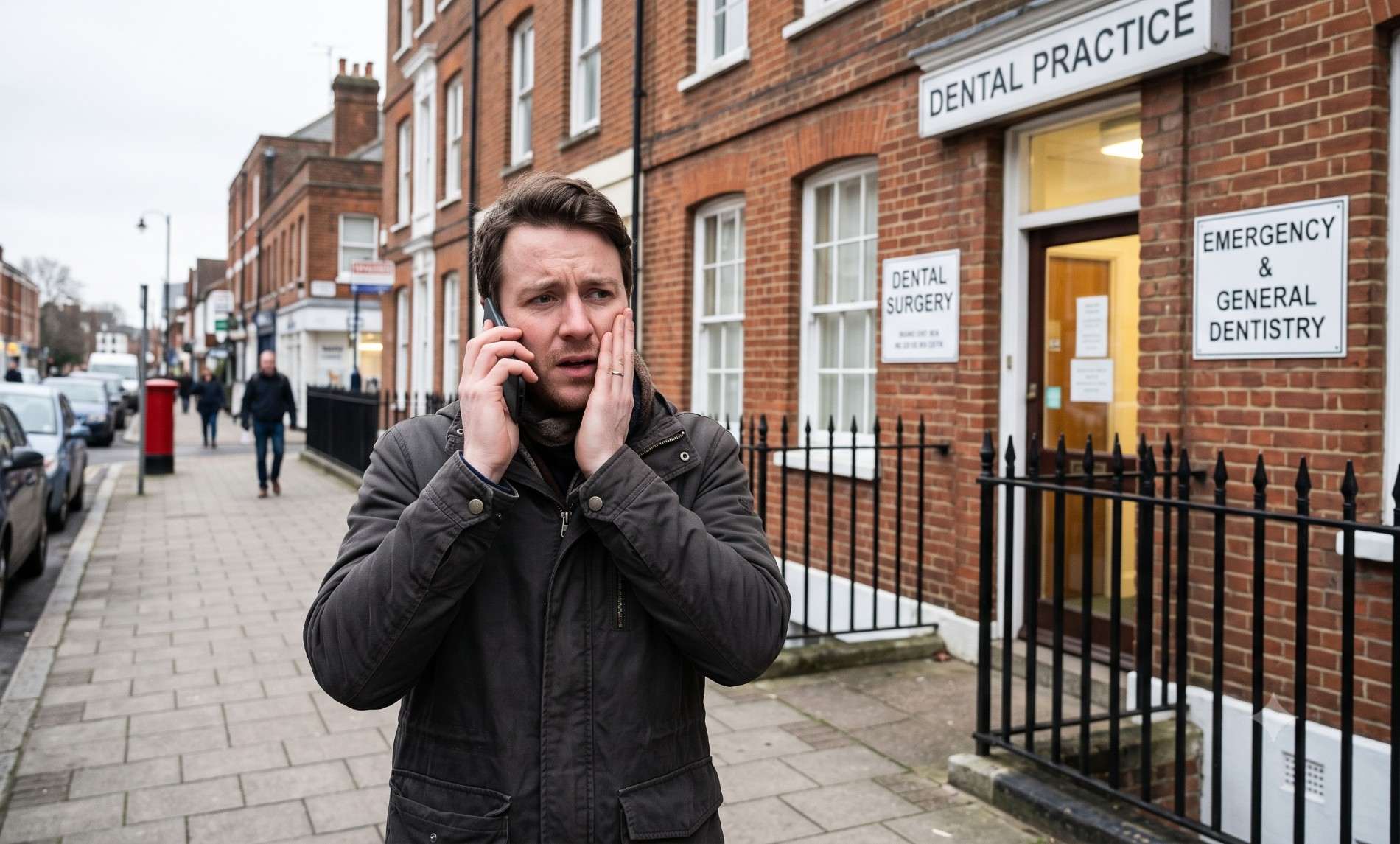
Dental emergencies can happen without warning, whether it is sudden tooth pain, a broken tooth, swelling or an injury. Knowing what to do next can help you protect your teeth and avoid making the problem worse. While some dental issues can wait for a routine appointment, others need quick professional attention.
If you need an Emergency Dentist in Southampton, it is important to contact a dental practice as soon as possible when symptoms are severe or unexpected. Quick assessment can help identify the cause of the problem, relieve discomfort and prevent a minor issue from developing into something more serious.
What Counts as a Dental Emergency?
Some of the most common dental emergencies are severe toothache, a knocked out permanent tooth, a broken or cracked tooth, significant swelling, uncontrolled bleeding and dental infections.
Dental abscesses can be painful, swollen, taste bad or sensitive, and a damaged tooth can be painful or more susceptible to damage. If swelling is affecting your ability to breathe or swallow, seek urgent medical attention.
What Should You Do Before Seeing a Dentist?
Preparing for your appointment can help prevent damage to the affected area. If the permanent tooth is completely knocked out, pick it up by the crown, don't pick up by the root, keep it moist and get dental advice as soon as possible.
If the tooth is broken, store any pieces and do not chew on the broken side. Apply a cold compress to the cheek to help decrease swelling. Medications may help relieve pain in the short term, but don't put aspirin directly on the tooth or gums.
Why Is Prompt Treatment Important?
Some dental issues can get more complicated if they are not treated in time. An infection can get worse, or broken down tooth may be further damaged under pressure. An Emergency Dentist in Southampton can evaluate the situation and suggest the right treatment. This may be to repair a damaged tooth or treat an infection or stabilise the affected area prior to further treatment depending on the cause.
What Happens During an Emergency Appointment?
Your dentist will first ask you about your symptoms and examine your teeth and gums. If additional evaluation is required, an X-ray might be suggested.
Treatment will be based on the condition of the tooth and surrounding tissue. A damaged tooth may be repaired, while an infected tooth could require root canal treatment. In some cases, emergency treatment is directed towards stabilising the issue prior to a more thorough treatment plan.
What If the Tooth Cannot Be Saved?
If the tooth is too badly damaged or infected, it may be necessary to pull the tooth. After the emergency is dealt with, your dentist will be able to talk about the best way to replace your lost tooth.
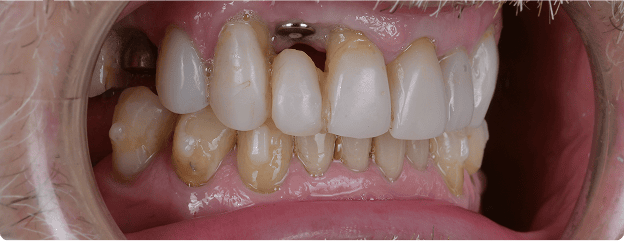
Dental Implants in Southampton can be a long term solution for appropriate patients. Before recommending implant treatment, your dentist will take into account your gums' health, the condition of adjacent teeth, and the availability of existing bone.
Can Dental Damage Affect Your Smile?
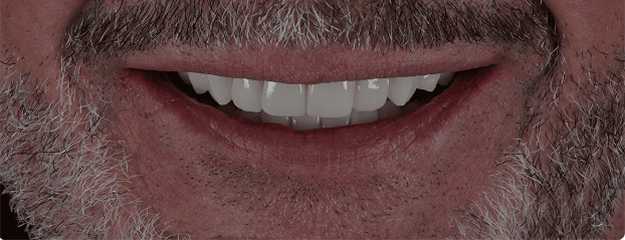
Dental injuries can impact the look and function of your smile, especially if the teeth that are visible are damaged. Once your dentist has treated you for an emergency, they can talk to you about the options for restoring or cosmetic dentistry to make your tooth look better.
Depending on the situation, bonding, veneers or crowns might be an option. Dental Implants in Southampton can also be used as a long-term solution if a tooth has been lost.
How Can You Reduce Dental Emergencies?
While some dental emergencies can not be prevented, routine dental treatment can minimize the risk of the problem becoming an emergency. Regular checkups can detect decay and other weak teeth and gum issues early.
Good brushing and flossing habits, avoiding hard objects and wearing a mouthguard during contact sports can also help protect your teeth. A Dentist in Southampton can provide personalised advice based on your oral health.
When Should You Contact a Dentist?
If the pain is severe, there is a great deal of swelling, dental trauma, uncontrolled bleeding or a damaged tooth, it should not be ignored. Call a dental practice, describe your symptoms and follow the dental practice's recommendations.
If you are looking for a Dentist in Southampton, seeking professional advice promptly can help you manage the immediate problem and understand what treatment may be needed next.
Final Thoughts
Dental emergencies can be stressful, but knowing how to respond can make the situation easier to manage. Protect the affected area, avoid actions that could worsen the damage and seek professional dental advice promptly.
Once immediate concern has been treated, long-term options can be discussed where necessary. For suitable patients, Dental Implants in Southampton may be considered when a missing or unsalvageable tooth needs to be replaced.
FAQs
Can a dental emergency happen without pain?
Yes, some dental problems, including certain cracks or infections, may not cause significant pain initially but still require prompt assessment.
Should I go to Accident & Emergency for a dental emergency?
For most dental problems, a dentist is the appropriate first point of contact. However, serious swelling affecting breathing or swallowing requires urgent medical attention.
Can an emergency dentist treat children?
Yes, children can experience dental emergencies too. Contact your dental practice promptly so the team can advise you on the appropriate care.