

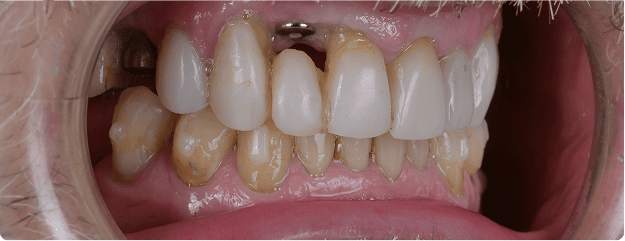
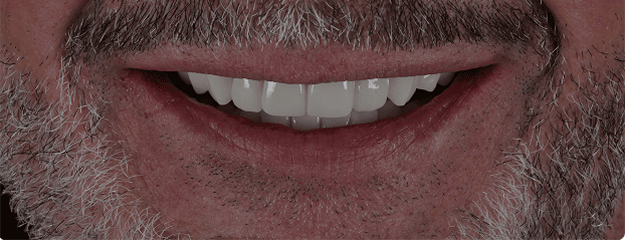


Missing teeth can affect much more than your smile. They may make chewing uncomfortable, affect speaking, and leave you feeling less confident in social situations. Over time, gaps between teeth change how neighbouring teeth fir and how your bite functions. Fortunately, modern restorative dentistry provides ways to replace missing teeth and restore everyday comfort.
If you are considering dental implants in Poole, understanding how implant treatment works can help you decide whether it suits your needs or not. A personalised assessment with a dentist in Poole can help identify the most appropriate solution based on your oral health, missing teeth and your long-term goals.
Why Should You Replace Missing Teeth?
Losing a tooth is not always painful, but a missing tooth can negatively impact your oral health over time. The surrounding teeth gradually move into space, which can cause misaligned teeth. Additionally, it makes chewing difficult.
Based on the missing teeth and location of teeth, the effect will vary. Adentist can replace a missing teeth to:
- Restore chewing functions
- Maintain a balanced bite
- Get a more attractive smile
Your dentist can determine if replacement is needed and discuss the options with you.
What Are Dental Implants?
Dental implants are small posts inserted into the jawbone as a substitute for the tooth roots. When the implant has fused with the bone around it, it can be used to support a crown, bridge or denture.
An implant is attached to the jawbone instead of only the gums, like a traditional denture. This can help patients to be more stable during their activities like eating, talking, etc.
But implants are not always recommended. Your dentist will assess your gum health, bone availability, medical history, and oral hygiene before recommending a personalised treatment.
Types of Dental Implant Treatment
There are many implant types available, the right one will depend on your case, such as:
Single-Tooth Implants
In single-tooth implants, a crown supported by an implant can be used to replace a single missing tooth and doesn't need adjacent teeth to be prepared as supports. The crown will fit naturally with your existing teeth.
Multiple-Tooth Replacement
If multiple consecutive teeth are missing, an implant supported bridge might be an alternative. Depending on the treatment plan, this can be appropriate for replacement of several teeth with fewer implants.
Full-Arch Tooth Replacement
If a patient is missing most of their teeth in one arch, then implant-supported full-arch tooth replacement can be a reliable option. The treatment will depend on bone condition and overall oral health
A consultation for dental implants in Poole can help patients determine which approach might be suitable for their case.
What Happens During Dental Implant Treatment?
Generally dental implant treatment includes multiple stages. Your dentist first examines and assesses you, which involves dental imaging to assess the jawbone and pre-planning implant placement.
If appropriate, the implant is inserted into the jawbone. There is a healing phase after the implant is placed, during this time the implant becomes fuse with the bone before final restoration. In some cases, temporary replacement teeth may be recommended.
The entire treatment depends on the case's complexity, healing and the need for further procedures. Your dentist will discuss the anticipated phases and post-treatment instructions before treatment.
What If a Missing Tooth Follows a Dental Emergency?
If you loose a teeth by accident, it may follow servere decay or an infection afterwards. This type of sudden dental pain, trauma, or swelling is a sign that you should seek emergency dental care.
An emergency dentist in Poole will be able to evaluate the immediate issue and be able to analyse if the affected tooth can be saved or not. If it can't be preserved, replacement options can be discussed once the injury or infection is taken care of.
The implant placement may have to wait for healing of the surrounding tissues. This will depend on the condition of the extraction site, availability of bone and other clinical factors.
Caring for Your Dental Implants
Implants can't get cavities, but the gums and tissues around them can still get inflamed and affected by plaque. It is therefore recommended to practise good enamel health on a regular basis.
Brush twice a day with fluoride toothpaste, clean your teeth with appropriate interdental cleaning devices, and have regular dental check-ups. Your dentist may also suggest cleaning methods according to the type of implant restoration you will get. Regular care ensures your oral health and the longevity of replacement teeth.
Is Dental Implant Treatment Right for You?
A dentist in Poole can assist you in comparing implants with other options like bridges and detachable dentures. Some factors that will determine your suitability are:
- Gum health
- Bone structure
- Medical history
- Daily oral and dental hygiene
The goal is to select a treatment that is appropriate for your needs and will maintain your teeth's health and function.
Final Thoughts
Missing teeth can affect confidence, comfort and everyday activities, but several treatment options are available. Dental implants may provide a stable replacement for suitable patients, whether they need to replace one tooth, several teeth or a full arch.
If you are exploring Dental Implants in Poole, a personalised consultation can help you understand the process, expected timeline and most appropriate options for restoring your smile.
FAQs
Can dental implants improve facial support after tooth loss?
Replacing missing teeth may help support facial structure, although the outcome depends on the extent of tooth loss and individual anatomy.
Can I get dental implants if I smoke?
Smoking can affect healing and increase the risk of implant complications. Your dentist can discuss the risks and recommend steps to improve treatment outcomes.
Will my dental implants set off airport security scanners?
Dental implants are generally not a problem during airport security screening, and you typically do not need to take any special steps before travelling.