

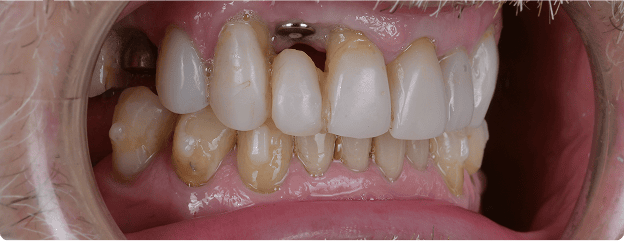
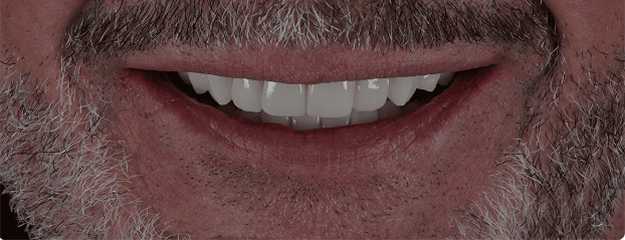


At Dental Concepts, we know that a misaligned or "wonky" jaw can cause discomfort, pain, and embarrassment.
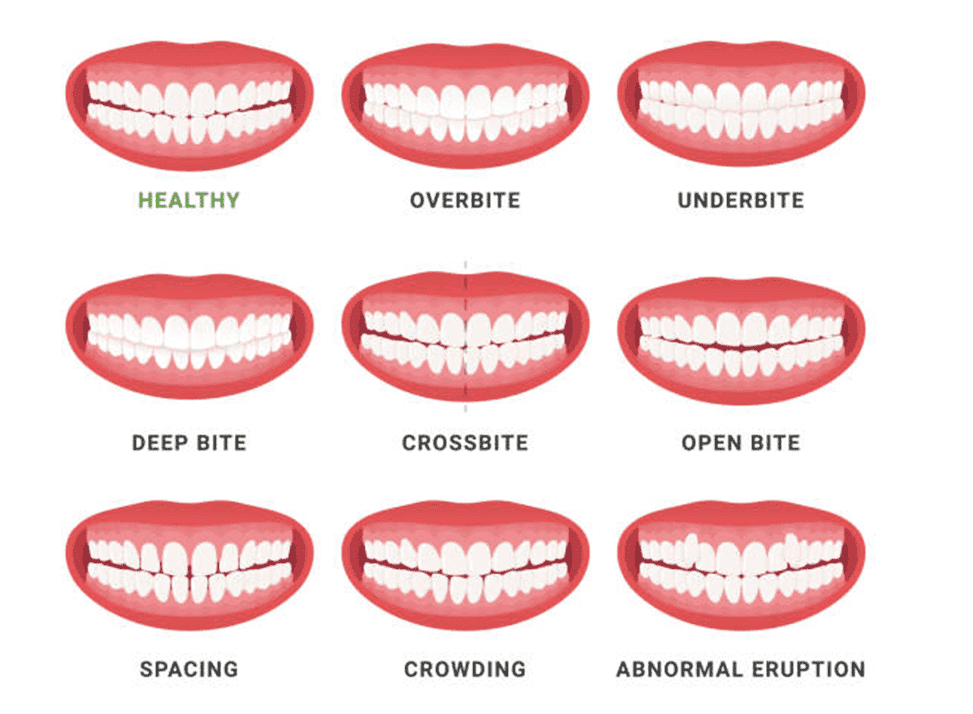
If you are suffering from an overbite, underbite, or some other type of misaligned jaw, we can help you fix it and balance your smile to make it more functional and aesthetically pleasing.
Understanding the Misaligned Jaw
A misaligned jaw or "wonky" jaw is when the top and bottom jaws do not fit together properly. This misalignment can lead to a number of problems, such as painful jaw symptoms. Let's discuss what can be done about the misaligned jaw and get some relief.
How to Fix a Misaligned Jaw
Treatment of the misaligned jaw will depend on the cause and degree of the misaligned jaw. Orthodontics, including the use of braces or clear aligners, may be able to alleviate mild to moderate jaw alignment problems. More complicated cases might involve treatments like jaw exercises, palatal expanders, or orthognathic surgery, which are used to move the jaws in the correct position.
If you are not sure about how to align your jaw, the first thing you should do is get a professional opinion. Your dentist will be able to check your bite, jaw position, and overall oral health before recommending the most appropriate treatment plan.
1. Consult with a Dental Professional
The first step towards treating a misaligned jaw is getting professional help. Make an appointment with a dentist, orthodontist or orthognathic surgery specialist for jaw alignment. They will perform a comprehensive evaluation and may take x-rays and scans to determine what kind of misalignment is occurring and how to treat it.
2. Orthodontic Treatment
If the Alignment of the jaw is mild to moderate, orthodontic treatment might be suggested. This may be achieved by using braces, clear braces, or any other orthodontic appliance to slowly move the teeth and jaws into their correct alignment.
3. Orthognathic Surgery
If the jaw misalignment problem is bad, then orthognathic surgery might be needed. This surgical treatment realigns the upper and lower jaws, thus fixing the overbite or underbite problems. The oral and maxillofacial surgeon works with orthodontic treatment for orthognathic surgery.
4. Palatal Expanders
Palatal expanders can be used to gradually expand the upper jaw in certain cases. This can help to create room for overcrowded teeth and help align the jaw bones.
5. Jaw Exercises and Physical Therapy
Your dentist or oral surgeon may also suggest you perform certain jaw movements or physical therapy to help restore jaw mobility and reduce painful symptoms of the jaw.
6. Lifestyle Adjustments
Practicing good oral hygiene and avoiding bad habits such as gum chewing or biting nails may also help keep your jaw healthy. Also, stress-reduction exercises can help to decrease the pain of jaw clenching or grinding.
7. Customised Treatment Plan
Each case of jaw misalignment is unique, so it is essential to work closely with your dental professional to develop a personalised treatment plan that addresses your specific needs and goals.
Conclusion
To sum up, there are several treatment options available that can help fix a misaligned jaw, from orthodontics to surgery. If your jaw is not aligned, do not suffer or let it affect the beauty and function of your smile. Do not hesitate to get help and start a path towards a straighter, more comfortable smile. It is recommended to address concerns with jaw alignment as soon as possible as early intervention is best.
Early treatment can lower the chances of complications and promote good oral health if you notice symptoms of misaligned jaw, including difficulty chewing, bite issues, and discomfort. Your dentist or orthodontist can evaluate your dental alignment and determine the best treatment for you.
If you are searching for “Dentist near me”, then feel free to contact Dental Concepts and book an online appointment today.