



Dental crowns are commonly used to restore and protect teeth that have been weakened by decay, infection, fractures, or extensive dental treatment. While they offer many benefits, it is important to understand both the advantages and disadvantages before deciding whether a dental crown is right for you.
What Is a Dental Crown?
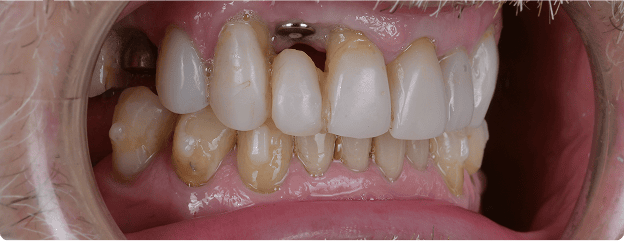
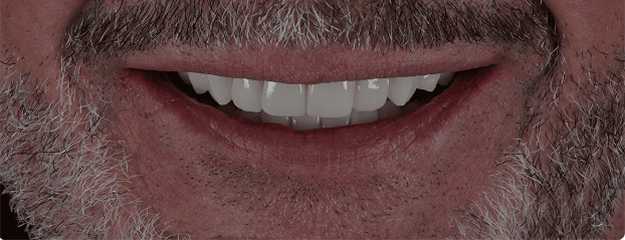
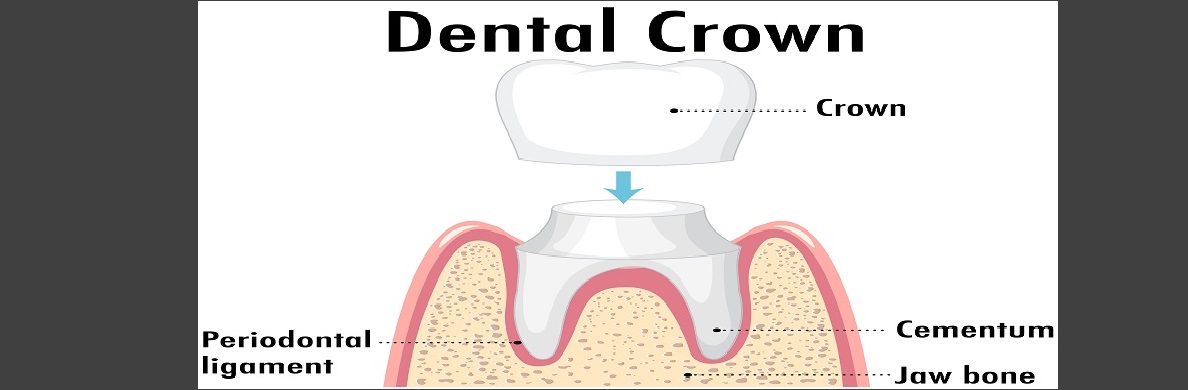
A dental crown also known as tooth cap, is a custom-made restoration that covers the entire visible portion of a damaged tooth. In the UK, dental crowns are commonly used to strengthen weakened teeth, restore their appearance, and protect them from further damage following extensive decay, fractures, or root canal treatment.
Types of Dental Crowns
Gold or metal crown, incredibly durable but usually only opted for back teeth where they will be less visible.
Composite crowns, a cost-effective option with a natural aesthetic. They can sometimes be considered or used as temporary crowns.
Porcelain crowns are among the most recommended options due to their natural appearance and durability.
Porcelain fused to metal crown (PFM crown), all the durability of metal crowns with the aesthetic of a porcelain crown.
E-max crown, a relatively new material composed of ceramic that is lightweight and aesthetically pleasing.
Dental Crown Procedure: What to Expect
The dental crown procedure usually involves preparing the tooth by removing a small amount of enamel to create space for the crown. Impressions are then taken to ensure a precise fit. Once the custom crown is ready, it is securely bonded to the tooth, restoring both appearance and function.
Dental crowns are often recommended after root canal treatment because they provide additional protection to teeth that may have become weakened.
Tooth Cap vs Crown: Is There a Difference?
Many patients search for "tooth cap vs crown", but both terms generally refer to the same treatment. A tooth cap or dental crown is designed to fit securely over a prepared tooth to restore its strength and functioning.
What are some of the disadvantages of having a dental crown, whether it’s a metal crown, a porcelain crown, or any other dental crown type?
The cost: Dental crowns are not always the cheapest option. Whilst there are more cost-effective options available, such as composite crowns, treatment costs can vary depending on the type of crown selected and your individual treatment needs. The dental crown procedure is generally similar regardless of the material chosen, but factors such as the crown material and complexity of treatment can influence the overall cost. For the most up-to-date information, we recommend visiting the Dental Concepts fee page or speaking with your dentist directly.
Risk of nerve damage: If a tooth is over-prepared, it is possible to cause nerve damage to the internal part of the tooth. In cases where this happens, a root canal may be required to remove the damaged nerve. It’s important that you pick a reputable dentist that will not over-prepare teeth, as this is commonly seen and can cause extensive damage. Most dentists will only want to prepare the tooth by removing as little enamel as possible to preserve the natural tooth.
Abrasion to surrounding teeth: This is one drawback of having a dental crown because an ill-fitting dental crown may cause abrasion or pressure to the surrounding teeth. In most cases, this can be easily resolved, so if you experience this, you will need to let your dentist know.
Repairs: With any work such as veneers, dental crowns or composite bonding, repairs may be required. Although dental crown options such as porcelain crowns, metal crowns or a PFM crown are less prone to chipping or breakage, this can happen! If you do notice your crown has chipped or broken away, it’s best to contact your dentist as soon as possible, as faulty crowns can lead to infection, sensitivity or even mouth sores if the remaining dental crown is sharp.
Advantages and Disadvantages of Dental Crowns
Advantages of Dental Crowns:
- Protect weakened or damaged teeth
- Restore appearance and function
- Provide long-term durability
- Help prevent further damage following root canal treatment
Potential Disadvantages of Dental Crowns:
- Higher cost compared to fillings
- Possible sensitivity after treatment
- Risk of damage or repairs over time
- Poorly fitted crowns may cause discomfort or wear on surrounding teeth
Metal Teeth Cap Side Effects
Metal crowns are known for their durability, particularly on back teeth. However, some patients may find their metallic appearance less appealing. In rare cases, a poorly fitted metal crown may contribute to irritation, discomfort, or wear on neighbouring teeth if adjustments are required.
Conclusion
Dental crowns remain one of the most effective ways to protect and restore damaged teeth. While there are some potential disadvantages, the long-term benefits often outweigh the risks when treatment is carried out by an experienced dentist. If you are considering a dental crown or have questions about your treatment options, speak with your dentist to determine the most suitable solution for your oral health.