

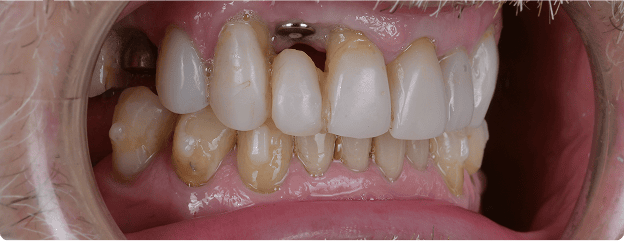
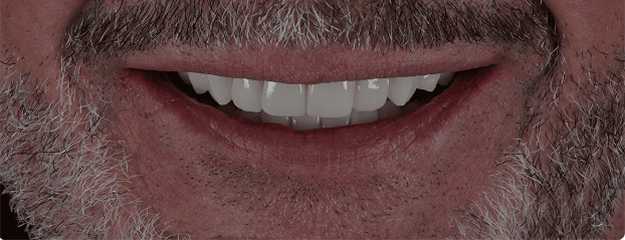



Toothaches can range from mild irritation to very chronic pain that interferes with eating, sleeping and regular play. Although a few toothaches settle in even briefly, they usually indicate an underlying dental disease that requires professional care. Visiting a dentist in Andover as soon as possible can help identify the purpose and save you from similar headaches.
What is toothache?
Toothache can develop for many triggers, including the following:
- Tooth decay and cavities
- Gingivitis or gum infection
- cracked or broken tooth
- Tooth abscesses
- worn or broken filling
- affected wit enamel
- grinding your teeth or clenching your jaw
- Tooth sensitivity due to tooth decay
Ignoring tooth pain additionally permits the situation to worsen, the main one later on to more large treatment.
What can be done before your appointment
If you experience toothache, there are some steps you can take to reduce the pain until you can see a dentist.
Gently rinsing your face with warm salt water helps preserve the nearby easily.
Carefully remove any food trapped in your enamel using a toothpick.
Brush lightly around the affected enamel to reduce plaque and microorganisms.
Avoid extremely hot, cold, sugary or hard foods if they increase sensitivity.
Take step-by-step over the counter pain relief with the manufacturer's orders if it suits you.
Avoid applying aspirin to enamel or gums without delay, as this will worsen the soft tissues.
These measures can also briefly facilitate the signs, however they do not treat the underlying motive.
When should I see an emergency dentist in Andover?
Some dental issues require pressing attention. If you enjoy these, contact an emergency dentist in Andover immediately:
- Severe or increasing toothache
- Swelling around the face or chin
- Damaged or missing teeth
- Bleeding that does not stop
- It's hard to put your face down
- Signs of infection, with swelling or pus
Early treatment can help relieve pain, preserve facial fitness, and reduce the risk of headaches.
How can your dentist help
When you visit your dentist in Andover, your dentist will study your enamel and gums, tell you your signs, and support an x-ray to diagnose the trouble as it should.
Depending on the purpose, treatment may additionally consist of the following:
- Tooth-colored filling
- Approach to the root canal
- Professional cleaning for gum disease
- The tooth crown
- Tooth extraction if enamel cannot be saved
- Antibiotics where medically appropriate for infection
Your dentist will explain the encouraged treatment and help you choose the most appropriate option.
Preventing future toothache
Many toothaches can be prevented through proper oral hygiene and ordinary dental care. To keep your teeth healthy:
- Brush twice daily with fluoride toothpaste.
- Clean between your teeth every day using floss or an interdental brush.
- Limit sugary foods and drinks.
- Attend routine dental checkups.
- Wear a mouth guard when grinding your teeth or playing touch games.
- Treat directly if you are aware of sensitivity or pain.
Can Bonjela Help with a Toothache?
Some people use products such as Bonjela to help soothe sore gums or reduce temporary discomfort. While it may provide short-term relief, it does not treat the underlying cause of a toothache, such as tooth decay, infection, or gum disease. If you find yourself using Bonjela several times a day or your pain continues, it is important to book an appointment with a Dentist in Andover. Persistent tooth pain should always be assessed by a dental professional to prevent the problem from becoming more serious.
Book your appointment today
Toothaches should never be ignored. Early prognosis and remedies can help you maintain your natural teeth and protect you from more serious dental issues.
If you are experiencing toothache, ebook an appointment with a dependable dentist in Andover. Whether you need habitual care or an emergency dentist in Andover, the experienced team at Dental Concepts is here to provide proactive and professional remedies and help you return to a healthy pain relaxed smile