




Dental issues could possibly appear out of nowhere, and even though some issues can be postponed for a routine checkup, others need immediate treatment. If you understand when a dental condition is merely a nuisance or requires emergency care, it can help to alleviate pain, avoid problems, and increase the likelihood of saving damaged teeth.
When you have serious dental symptoms, it is important to know when to see an Emergency Dentist in Poole to ensure your oral health and well-being are taken care of.
What Is Considered a Dental Emergency?
A dental emergency is defined as a dental condition that needs immediate professional intervention to alleviate pain, prevent bleeding, or further damage. It's not all dental problems that require urgent attention, but there are some symptoms that you simply cannot overlook. Withholding treatment may result in more complicated treatment and more pain.
Severe Toothache
Toothache is one of the most common problems that patients visit the dentist for.
These are the possible causes of a toothache:
- Advanced tooth decay
- Dental infection
- A cracked tooth
- Gum disease
- Damage to the tooth nerves
If the pain is bad or getting worse, or if they cannot sleep or eat comfortably without the pain, then it's best to see an Emergency Dentist in Poole as early as possible.
Swelling in the Face, Gums, or Jaw
Swelling is a symptom of infection and is always a serious thing.
If not treated, dental infections can spread and cause infection in the surrounding tissues. Symptoms often include:
- Facial swelling
- Swollen gums
- A toothache that is tender to the touch.
- Difficulty chewing
- A foul flavour in the mouth
Early evaluation and treatment will help prevent the disorder from worsening.
Broken, Chipped, or Cracked Teeth
Teeth can crack or fracture from accidents or sports injuries, or from biting down on hard foods. Larger fractures can expose vulnerable parts of the tooth and cause infection, although not always an emergency. Early professional treatment often can restore the tooth and prevent additional damage.
Knocked-Out Teeth
Knocked-out teeth are among the most urgent dental emergencies.
If this happens:
- Pick up the tooth at the tip of the top, NOT the root.
- Gently rinse if soiled.
- If possible, put it back in the socket.
- Otherwise, place it in milk/saliva.
- Seek dental care ASAP.
Effective treatment will greatly improve the chances of saving a tooth if done quickly.
Lost Fillings, Crowns, or Restorations
The initial concern of a lost filling or crown may not be a crisis, but it can cause sensitivity, decay, and additional damage to the tooth. The sooner treatment begins, the sooner the affected tooth will be protected, and the greater the chances are for preventing further complications.
Bleeding That Will Not Stop
If there is a little bleeding after brushing and flossing, that's not a medical emergency. But if bleeding after dental treatment, or an accident, it must be assessed by a dentist as soon as possible.
If the bleeding is not under control, it could be a sign of a more serious problem and may require immediate treatment.
Emergency Care and Long-Term Oral Health
Dental emergencies demand immediate attention, not only for their immediate relief but also for the ongoing health of your teeth.
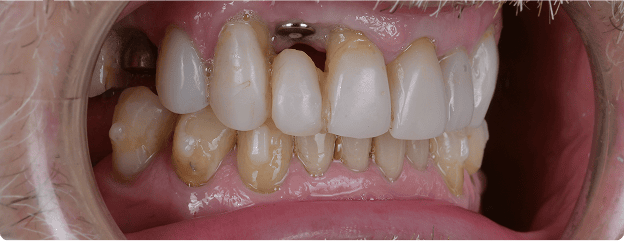
If the decay or infection is severe, for instance, treatment may prevent the loss of a tooth. If this is not possible, then the options of restoration may be considered, including Dental Implants in Poole, which help to replace the missing teeth and restore function.
Likewise, if you have already had Dental Implants in Poole, you should give your dentist a call if the site of the implants is painful, swollen, or has unusual symptoms.
Conclusion
Identifying a dental emergency can allow you to seek treatment before the issue escalates to a bigger problem. Many people experience some form of urgent dental care, such as severe toothache, swelling, knocked-out teeth, or lost restorations.
Call the Emergency Dentist in Poole as soon as possible if you are suffering any of these symptoms to ease the discomfort, prevent any loss of oral health, and ensure you receive the care you need as soon as you can.