

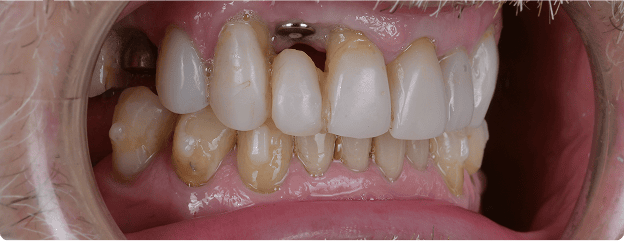



Did you know root canals can take two or more dental visits? That’s right: a root canal procedure may need additional care from your dentist for various reasons; this may be because you have an infected tooth root or perhaps there’s another canal that needs to be treated.
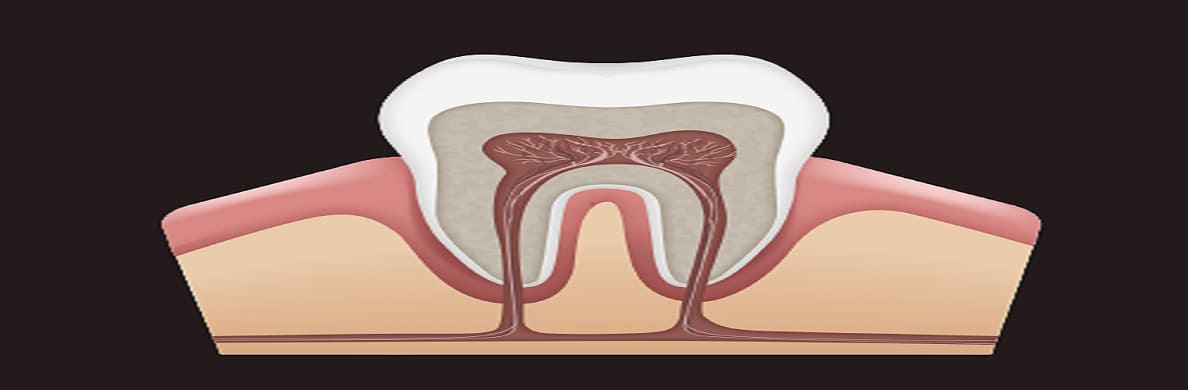
We will cover exactly why you need a second appointment for your root canal procedure in just a second, but first, what’s a root canal? It is a dental procedure required when the tooth pulp (the centre of the tooth where you will find connective tissue and nerves) has become damaged by a bacterial infection. This often happens when there is a decay in the outer part of the tooth, exposing the internal part of the tooth. How will you know you need a root canal? If you experience a toothache when chewing or putting pressure on your tooth and notice a small hole or chip on it, it may be time to visit your dentist. X-rays will be taken of your teeth to assess whether the tooth pulp has been damaged and requires a root canal.
Put simply, a root canal procedure includes removing the infected pulp and replacing it with filler material. This is done by drilling a small opening in the top of the tooth to access the pulp. This will all be done under local anaesthetic, and whilst you may feel some pressure, you should not feel any pain during the procedure.
Here’s why your root canal procedure may be spread across two or more appointments
The tooth you have a root canal on has more roots. Some teeth, such as molars, have more roots than your front incisor and canine teeth. Sometimes there is too much to extract and too many roots to treat in one sitting. In cases like this, your dentist will clear as much of the infected pulp as possible, disinfect the area, and then place a temporary filling to seal the area until the next treatment.
If the tooth is severely infected, it may take time to settle the infection before permanently sealing the tooth. In this case, your dentist will medicate the area to treat the infection and then continue the procedure until the infected pulp is cleared entirely.
You have calcified canals. This may be a new term to you: calcified canals are when you have calcium deposits within the pulp of the tooth. This narrows the canal significantly and can make a root canal a more time-consuming task. The most common cause of calcification within the canal is trauma to the tooth pulp.
Why Does a Root Canal Need 2 Appointments?
Many patients ask why a root canal needs 2 appointments instead of being completed in one visit. In many cases, a 2 part root canal procedure allows the dentist to clean the infected area thoroughly while giving the tooth time to settle before it is permanently sealed.
A second appointment may be necessary if the infection is severe, the canals are difficult to access, or the tooth has multiple roots that require additional care. This staged approach often improves healing and lowers the risk of reinfection.
If you are wondering why a root canal is done in 2 stages, the answer usually comes down to improving long-term treatment success while protecting as much of the natural tooth as possible.
What Happens During a Root Canal 2nd Sitting?
In the first sitting, your dentist will remove the infected pulp, and they will seal the tooth with a temporary filling. In the second sitting, this temporary filling will be removed, and the rest of the procedure will be completed. Once your dentist has finished removing infected pulp, they will pack the canal to prevent further infection and seal the tooth with a dental crown or a permanent filling.
Does a root canal hurt?
Your root canal treatment should not hurt, as you will be under local anaesthetic. Your dentist will ensure that you cannot feel anything before they start the treatment. As we mentioned before, you may feel pressure within your tooth when your dentist is working, but this should not be painful.
Root canal vs Extraction
A common question is What is the difference between a root canal and an extraction? The answer is simple: a root canal removes the damaged internal part of the tooth, leaving you with your natural tooth without pain. An extraction removes the whole tooth structure because it is deemed that the tooth cannot be saved. Where possible, it is great to opt for a root canal procedure to retain as many of your natural teeth as possible.
Can you feel pain after root canal treatment?
Minor pain after the treatment is common, as surrounding tissue may be inflamed from the treatment. It is unlikely that the internal part of your tooth will hurt after your treatment, as the part of the tooth that is causing you pain has been removed. The pain after the treatment should be easily managed with over-the-counter pain medication; however, if you are still experiencing pain a week after your treatment, it’s time to get in touch with your dentist.
How much does a root canal cost?
The cost of treatment can vary depending on the complexity of the procedure, the condition of the tooth, and whether additional restoration work is required afterward. Because every case is different, it's best to book an appointment to discuss your case and pricing before treatment.
You can also explore our pricing details.
Root canal at Dental Concepts
If you think you may need treatment for an infected tooth, it is important to seek professional advice early. Delaying care can lead to worsening pain, abscess formation, and more complex dental complications over time.
At Dental Concepts, patients across Andover, Southampton, Sandbanks, Poole, Hampshire, and Whitchurch can access personalised dental care focused on preserving natural teeth and improving long-term oral health.
Want to treat your root canal or discuss your dental needs? Book an appointment with our team at Dental Concepts today.
FAQs
Why does a root canal take 2 visits?
Some treatments require multiple appointments because the dentist may need extra time to remove infection, medicate the tooth, and ensure the area heals correctly before placing the final seal or crown.
How many root canals can you have done at once?
This depends on the condition of your teeth, the complexity of treatment, and your comfort during longer dental visits. In some cases, dentists may treat more than one tooth during the same appointment.
Is a root canal's 2nd sitting painful?
The second visit is usually more comfortable because much of the infected tissue has already been removed during the first stage of treatment. Mild sensitivity afterwards is normal but typically manageable.