




A child's dental health can impact their smile even in adulthood. From the teeth appearance to their ability to chew comfortably, Early dental care plays an important role in the development of healthy teeth. Although baby teeth eventually fall out, they still need proper care to prevent decay, infection and premature tooth loss.
Early dental care helps identify problems before they become more complicated. Regular check-ups, good oral hygiene and timely treatment can reduce the risk of tooth loss in adults.
For parents seeking a dentist in Andover, a regular checkup for paediatric dentistry in Andover can become an important step towards protecting their child's long-term oral health.
Why Are Baby Teeth Important?
Baby teeth are not just for eating and talking. They also provide room for permanent teeth to grow in place. If a baby's tooth is lost prematurely due to decay or injury, the surrounding teeth can shift, which can cause alignment issues in permanent teeth.
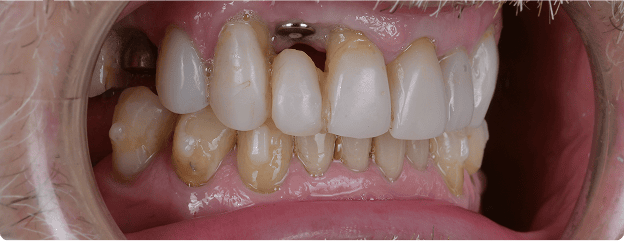
While some patients will require dental implants later in life due to early tooth loss, it does not necessarily mean that they will need to get dental implants. Proper care and regular check-ups will help children develop good oral hygiene practices and maintain healthy teeth development.
How Can Early Dental Care Prevent Tooth Loss?
Tooth decay is a common reason children need dental treatment. If not treated in time, decay may spread in inner parts of the teeth, which lead to pain, infection and damage required extraction.
Regular dental check-ups can detect early signs of decay, gum issues and enamel damage. Your dentist can advise you on preventive measures and suitable treatment, such as filling.
An early appointment with an expert of pediatric dentistry in Andover helps children get the proper dental care they need at their age and enables parents to know how to take care of their children's developing teeth.
Building Healthy Oral Hygiene Habits
It is important for kids to learn good oral hygiene habits at a young age. Until children are able to brush their teeth adequately, parents should supervise them while they are brushing.
A consistent routine for a healthy oral hygine should include:
- Brushing twice daily with age-appropriate fluoride toothpaste.
- Cleaning between teeth.
- Limiting regular intake of sugary snacks and drinks.
- Driking water regularly to help reduce sugar exposure.
- Attending routine dental check-ups as advised.
These habits help to keep plaque under control, prevent cavities and support gum health.
Why Are Regular Dental Check-Ups Essential?
Only a few dental issues can cause pain in the initial stages. A child may develop a decay or other related concerns without showing any symptoms.
The dentist can track teeth growth, examine gums and identify problems during regular checkups. Your dentist also can determine if your child requires extra preventive care depending on the condition of decay in each case.
A reliable dentist in Andover can help parents to better understand when treatment is required and how to handle issues like sensitivity, toothache, or damage.
Can Childhood Dental Problems Lead to Dental Implants Later?
In some cases, dental implants can be used to replace missing teeth. There are several factors that determine whether implants are needed or not, such as the cause of the missing tooth, oral health, bone development and the condition of other teeth in the mouth.
If left untreated, decay can sometimes lead to permanent tooth loss, resulting in severe dental trauma and infection. Early treatment can help to maintain natural teeth and minimise the risk of complications.
If a permanent tooth cannot be saved or has fallen out, dental implants in Andover may be a safe and appropriate treatment later in life. Dental implants treatment should be individualised and in children is usually deferred until the jaws have reached maturity.
Making Dental Visits Comfortable for Children
Parents can help prepare children by explaining simply and reassuringly what to expect in the dental clinic and during treatment without causing unnecessary fear. Children's approach, frequent visits, and encouragement for good oral hygiene may help develop confidence.
Final Thoughts
Early dental care cannot prevent every dental problem, but it can help protect natural teeth and reduce the risk of avoidable tooth loss. Good oral hygiene balanced dietary habits, routine examinations and timely treatment all contribute to healthier smiles.
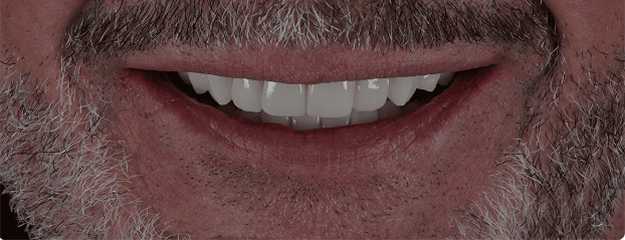
By prioritising preventive care from childhood, parents can help establish habits that support lifelong oral health. Addressing problems early may also reduce the likelihood of needing complex restorative treatments, including dental implants, later in life.
FAQs
Can dental sealants help protect children's permanent teeth?
Yes, dental sealants can protect the chewing surfaces of certain back teeth by helping prevent food and bacteria from collecting in grooves.
At what age should children start using fluoride mouthwash?
This depends on the child's age and ability to rinse and spit safely. Ask your dentist whether fluoride mouthwash is appropriate for your child.
Can thumb-sucking affect a child's permanent teeth?
Prolonged thumb-sucking may affect tooth alignment and jaw development, particularly if the habit continues as permanent teeth begin to emerge.